C-Max Tire
When warmer weather arrives, seasonal tires often leave the vehicle and enter storage. Their condition during these months can affect safety, handling, and service life later. Learning how to store seasonal tires during summer helps protect rubber compounds from heat, sunlight, moisture, and unnecessary pressure.
A careful storage routine begins with cleaning each tire and checking for cracks, uneven wear, embedded stones, or low tread depth. Record each tire’s position before removal, especially when directional or asymmetrical tread patterns are involved. A cool, dry, dark area is usually better than a sunny garage corner or damp outdoor shed. Keep tires away from fuel, solvents, electrical equipment, and sharp objects. These materials may gradually damage rubber.
Small details matter.
Tires mounted on wheels may be stacked horizontally, while unmounted tires are generally stored upright and rotated periodically. Manufacturer guidance should take priority because tire designs and storage limits vary. I have seen owners cover tires tightly with wet or dirty plastic, believing extra protection was helpful. It often trapped condensation instead. Clean, breathable covers are a safer choice when recommended. This guide explains seven practical tips, while acknowledging that storage conditions differ by climate, building design, and tire type. A quick inspection before installation remains essential, even after careful preparation. Storage reduces risks, but it cannot correct hidden age, previous damage, or neglected maintenance.
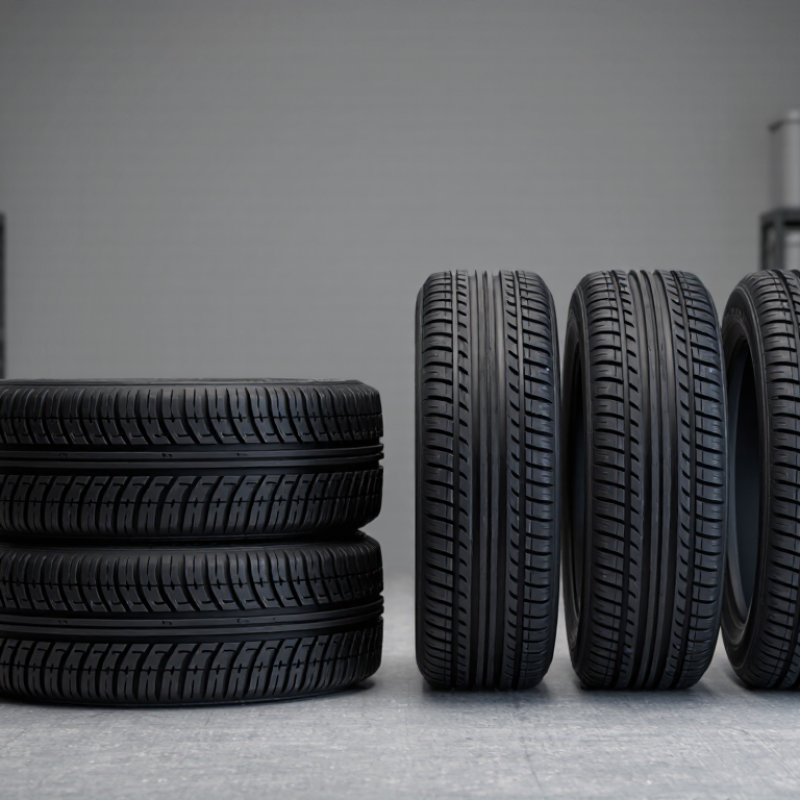
Before summer storage, assess each tire, not just the tread. NHTSA advises checking pressure when tires are cold and inspecting them regularly. Look for cracks between tread blocks, bulges, uneven wear, exposed cords, and embedded stones. A tire can look acceptable yet hide aging damage.
Check the manufacturing date on the sidewall. USTMA guidance recommends annual professional inspections after five years and replacement at ten years, regardless of tread depth.
Record the date and position of every tire. This simple note prevents guesswork next season. Small detail, big help.
Measure tread depth with a gauge, not your eyes. Replace a tire near the legal wear limit, especially if it shows irregular wear. Clean it with mild soap, then dry it completely. Store it in a cool, dry, dark area, away from motors, solvents, and ozone-producing equipment. Keep mounted tires inflated to the vehicle maker’s recommended pressure. Unmounted tires should stand upright and rotate occasionally. Avoid stacking them flat for months.
Do not rely on appearance alone. That is where I would be more cautious. A professional inspection is sensible when a tire has been repaired, exposed to sunlight, or stored in a humid garage. Seasonal storage is not merely a space problem; it is a condition check.
After removing seasonal tires, clean each one with mild soap and water. Road salt, mud, and brake dust can hold moisture against the rubber. Use a soft brush for tread grooves and sidewalls. Avoid harsh solvents, which may weaken protective rubber compounds. Rinse thoroughly, then dry every surface with a clean towel. Let the tires air-dry completely before storage. Even a small amount of trapped water can encourage corrosion on wheels.
Tip 1: Inspect each tire for cracks, bulges, uneven wear, or embedded stones.
Tip 2: Mark the original position with chalk, such as “front left.”
Tip 3: Check the recommended pressure before storing. Correct pressure helps reduce shape distortion.
I once stored a damp tire too quickly, and its metal wheel developed surface rust. It was preventable.
Tip 4: Store tires in a cool, shaded area away from direct sunlight.
Tip 5: Keep them away from heaters, electric motors, oils, and chemical cleaners.
Tip 6: Place mounted tires horizontally, stacked carefully, and rotate the stack occasionally. Store unmounted tires upright, turning them every few weeks.
Tip 7: Use breathable tire covers, not sealed plastic bags that trap condensation.
A dry basement may work, but conditions can change. Check the tires midway through summer, because storage is not truly “set and forget.”
A cool, dry, and protected area is the best home for seasonal tires during summer. Choose an indoor space away from direct sunlight, heaters, boilers, and electrical equipment. Heat speeds up rubber aging, while ultraviolet light can weaken the sidewalls. A garage, basement, or storage room can work well if it stays ventilated and dry.
Clean each tire with mild soap and water, then let it dry completely. Remove stones from the tread and check for cracks, bulges, or uneven wear. Do not store damp tires in sealed plastic bags. Trapped moisture may encourage corrosion on wheels and create unpleasant odors. Use breathable tire covers instead. Keep tires off bare concrete with a clean shelf, wooden board, or storage rack. Concrete can transfer moisture, especially in humid weather.
Mounted tires may be stacked carefully or hung on suitable supports. Unmounted tires should usually stand upright and rotate slightly every few weeks. Avoid placing heavy tools on them. I once stored tires beside a sunny window, assuming the room was cool enough. The sidewalls later showed more discoloration than expected. That mistake changed my routine: check the storage temperature, not just the air temperature. A simple label showing position and storage date also prevents confusion when the tires return to the vehicle.
7 Tips on How to Store Seasonal Tires During Summer
Position and Cover Tires for Proper Protection
Remove dirt, salt, and moisture before storing seasonal tires. Let them dry completely. The U.S. Tire Manufacturers Association recommends a cool, dry, dark location away from sunlight, heat, and ozone-producing equipment. A basement is usually better than a hot garage corner.
Position matters more than many drivers expect. Store unmounted tires upright, not flat, and rotate them slightly every few weeks. This helps reduce uneven pressure on the sidewalls. Mounted tires should remain inflated to the vehicle manufacturer’s recommended pressure and may be stacked horizontally, but keep the stack low and stable. Never hang mounted tires by their rims without professional approval. I once underestimated this detail. The bottom tire can carry unnecessary stress for months.
Use one clean, opaque, airtight bag for each tire. Expel excess air before sealing it. This reduces contact with sunlight, humidity, and ozone. Avoid loose plastic wrap, wet covers, and storage near electric motors or furnaces. NHTSA’s tire safety guidance recommends checking inflation pressure at least monthly, including during storage. Tires can lose roughly 1 psi per month, according to common tire-service guidance, even when they appear unchanged. Mark each tire’s original position with chalk. That small note can prevent confusion later, although I still find labels easier to trust. Inspect for cracks, bulges, or unusual odor before refitting.
| Tip | Storage Action | Recommended Position | Protection Measure | Why It Matters |
|---|---|---|---|---|
| 1. Clean and dry the tires | Remove mud, salt, and road debris with mild soap and water. Allow the tires to dry completely before storage. | Place them on a clean, dry surface after washing. | Do not seal moisture inside a storage bag. | Dirt, moisture, and road chemicals can contribute to corrosion, staining, and rubber deterioration. |
| 2. Check tire condition | Inspect the tread, sidewalls, valve areas, and bead for cuts, bulges, cracks, or embedded objects. | Keep damaged tires separate and mark them for professional evaluation. | Record the storage date and any visible defects. | Early inspection helps prevent unsafe tires from being reinstalled later. |
| 3. Choose a cool, dry location | Use an enclosed area with stable temperatures and good protection from weather. | Keep tires away from windows, exterior doors, and heat sources. | Avoid direct sunlight, rain, condensation, and temperatures from heaters or boilers. | Ultraviolet light, ozone, heat, and moisture can accelerate rubber aging. |
| 4. Store tires in the correct position | Position tires according to whether they are mounted on wheels. | Mounted tires may be stacked horizontally or hung carefully; unmounted tires should stand upright. | Do not hang unmounted tires or stack them excessively high. | Correct positioning helps reduce distortion and stress on the tire sidewalls and beads. |
| 5. Use breathable tire covers | Cover each tire with a clean, light-blocking cover designed for tire storage. | Keep covered tires in the selected indoor storage position. | Choose covers that block light while allowing trapped moisture to escape. | A suitable cover limits UV exposure and dust without creating a damp enclosure. |
| 6. Keep tires away from harmful materials | Store tires separately from solvents, fuels, oils, lubricants, paints, and electrical equipment that may produce ozone. | Leave clear space around the tires and avoid contact with concrete contaminated by chemicals. | Use a clean shelf, pallet, or storage mat as a barrier. | Petroleum products and ozone-producing equipment can damage rubber compounds. |
| 7. Rotate and inspect during storage | Check the tires periodically for moisture, pests, deformation, and new cracks. Rotate unmounted tires occasionally if they remain upright. | Maintain the upright position for unmounted tires and a stable stack for mounted tires. | Refresh covers if they become torn, wet, or dusty. | Periodic checks help identify storage problems before the tires are needed again. |
Check every stored tire before reinstalling it. A clean tire can still hide damage. The NHTSA’s 2021 Traffic Safety Facts report recorded 622 deaths in tire-related crashes. That figure makes a careful inspection more than routine maintenance.
Examine both sidewalls for cracks, bulges, cuts, and exposed cords. Check the tread for embedded stones, nails, or uneven wear. Use a tread-depth gauge instead of relying on appearance. I once trusted deep-looking tread. That shortcut can fail.
Read the last four digits of the DOT date code. They show the production week and year, not the storage date. Compare the tire size, load rating, speed rating, and rotation direction with the vehicle placard.
Inflate each tire when cold, following the placard, not the maximum pressure molded into the sidewall. The U.S. Tire Manufacturers Association recommends checking pressure monthly and before extended driving. Do not forget the spare tire. It may have lost pressure quietly.
Inspect the wheel surfaces and mounting hardware, then ask a qualified technician to check balance and torque. Look for vibration during the first drive.
Stop and investigate unusual pulling, noise, or steering changes. Seasonal storage reduces exposure, but it does not reverse aging.
A tire can appear acceptable and still need replacement. Recheck everything calmly.
Check cold pressure, tread depth, sidewalls, and spaces between tread blocks. Look for cracks, bulges, exposed cords, stones, and uneven wear. Do not trust appearance alone.
Write down the manufacturing date, storage date, and wheel position. A small label prevents seasonal guesswork. I sometimes forget details.
Arrange yearly professional inspections after five years of service. Replacement may be needed at ten years, regardless of tread depth. Earlier inspection makes sense after repairs, strong sunlight, or humid storage.
Wash them with mild soap and water. Remove stones from the tread. Dry every surface completely before covering or storing them.
Choose a cool, dry, dark, ventilated indoor area. Keep tires away from sunlight, heaters, boilers, motors, solvents, and ozone-producing equipment. Rubber ages faster with heat and ultraviolet light.
Avoid sealed plastic bags when tires are damp. Trapped moisture can encourage wheel corrosion and unpleasant odors. Breathable covers work better after complete drying.
Keep mounted tires inflated to the vehicle maker’s recommended pressure. They may be stacked carefully or hung on suitable supports. Store unmounted tires upright and rotate them slightly every few weeks. Avoid months of flat stacking.
Do not place tires on bare concrete, near a sunny window, or under heavy tools. Use a shelf, wooden board, or storage rack. I once judged a room by air temperature alone; the sidewalls still discolored. Check the storage area itself, not just the forecast.
How to store seasonal tires during summer begins with a careful inspection. Before putting them away, check each tire for uneven wear, cracks, bulges, punctures, or other damage, and confirm that the tread and air pressure are suitable for future use. Clean the tires with mild soapy water to remove dirt, salt, and debris, then let them dry completely. Moisture left on the surface can contribute to seasonal damage and unpleasant odors during storage.
Choose a cool, dry, shaded, and protected area away from direct sunlight, heat sources, chemicals, and sharp objects. Position the tires properly according to whether they are mounted on wheels, and use breathable covers to protect them without trapping moisture. Avoid placing heavy items on top of them, and rotate their position occasionally if they will remain stored for a long period. Before reinstalling the tires, inspect them again, check the pressure, and look for signs of aging or damage to help ensure safe performance.
