Why Are Nitrogen Filled Tires Worth the Extra Cost?

Time:2026-09-14 Author:Mason
0%

Are nitrogen-filled tires worth the extra cost? The answer depends on driving conditions, maintenance habits, and the price charged by the tire shop. Nitrogen is not a magic upgrade. It is simply a dry, largely inert gas containing fewer water molecules than ordinary compressed air.

The U.S. Department of Energy’s FuelEconomy.gov reports that fuel economy can decline by about 0.2% for every 1 psi below a vehicle’s recommended tire pressure. That finding highlights the real priority: correct pressure. NHTSA also advises drivers to check tire pressure monthly, when tires are cold, and follow the vehicle placard rather than the tire sidewall. A dashboard warning light cannot replace a reliable gauge.

Nitrogen may slow pressure loss slightly because its larger molecules permeate rubber more slowly. However, studies summarized by Consumer Reports and the European Tyre and Rim Technical Organisation indicate that the practical difference is usually modest for normal road use. Racing teams, aircraft operators, and fleets may value nitrogen because stable pressure and reduced moisture matter under demanding conditions. Daily commuters may notice little difference.

The honest answer is less exciting. Are nitrogen-filled tires worth the extra cost? Sometimes, but not automatically. A neglected nitrogen tire is still unsafe. A properly inflated air-filled tire may perform better than an expensive tire that nobody checks. Before paying, ask about refill access, pressure testing, and measurable benefits. Marketing claims deserve scrutiny. Personally, I would compare the service fee with a dependable gauge and regular inspections. That choice is less glamorous, but often more valuable.
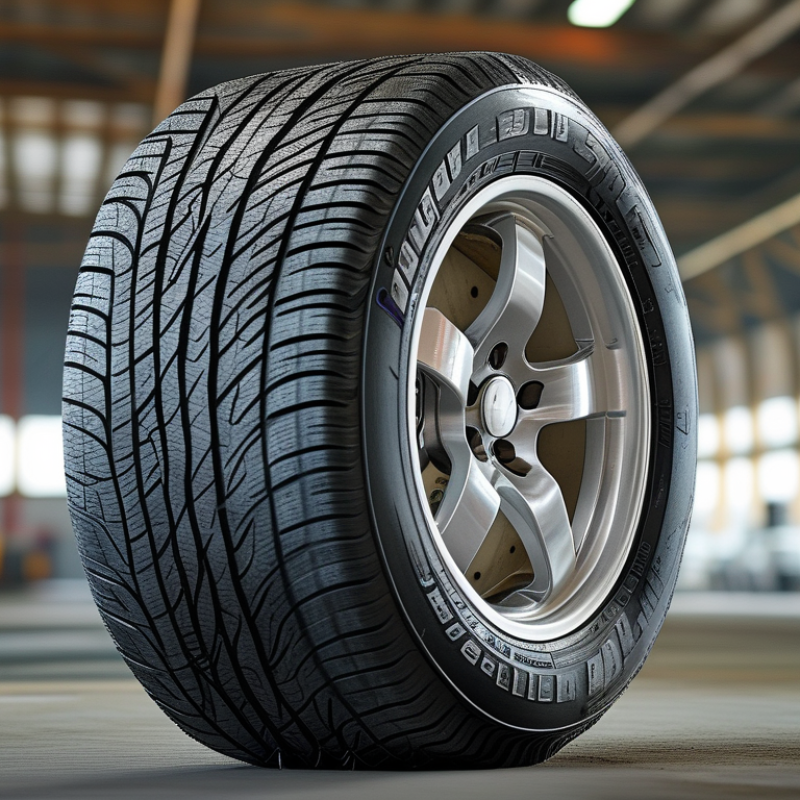
Why Are Nitrogen Filled Tires Worth the Extra Cost?

What Nitrogen-Filled Tires Are and How They Work

Nitrogen-filled tires are not exotic. They contain mostly nitrogen gas, with less oxygen and moisture than ordinary compressed air. Air already contains about 78% nitrogen, according to the National Oceanic and Atmospheric Administration. The practical difference is dryness. Moisture changes pressure more sharply as tire temperature rises and falls. Dry nitrogen also diffuses through rubber slightly more slowly. Pressure loss still happens.

NHTSA explains that tire pressure can change by about 1 psi for every 10°F temperature shift. That matters during cold mornings or long highway drives. The U.S. Department of Energy’s Fuel Economy Guide reports that properly inflated tires can improve fuel economy by up to 3%. Nitrogen helps preserve pressure, but it does not replace inspections. A gauge remains essential.

The benefit is clearer for vehicles carrying heavy loads, traveling long distances, or operating in severe temperature swings. For an ordinary passenger car, the extra cost may produce only a modest advantage. I have seen drivers blame nitrogen when their tires were simply underchecked. That is the weak point. Regular monthly checks, following the vehicle placard, usually matter more than the gas itself.

How Nitrogen Differs From Compressed Air in Tires

Why Are Nitrogen Filled Tires Worth the Extra Cost?

How Nitrogen Differs From Compressed Air in Tires

Nitrogen-filled tires contain mostly nitrogen, while ordinary compressed air contains about 78% nitrogen. The difference sounds larger than it is. Compressed air also includes oxygen, moisture, and other trace gases. The real advantage comes from dryness. Moisture matters.

When air contains water vapor, tire pressure can change more noticeably with temperature. Moisture may also encourage corrosion inside certain wheels. Dry nitrogen reduces these variables and can help pressure remain more stable during severe temperature changes. This matters more for racing, aircraft, heavy equipment, and demanding commercial use than for short daily drives.

For ordinary drivers, the benefit is usually modest. A properly inflated tire filled with clean compressed air can perform safely and efficiently. Nitrogen may lose pressure slightly more slowly, but it does not prevent punctures, valve damage, or temperature-related pressure changes. Tires still need regular checks when cold.

I used to think nitrogen made tires almost maintenance-free. That assumption was wrong. Even a nitrogen-filled tire needs a reliable pressure gauge and careful inspection. The extra cost may be reasonable when pressure stability is critical or service intervals are long. For many drivers, frequent pressure checks provide more practical value than the gas itself. Check the recommended pressure, not the inflation method.

The Effects of Nitrogen on Tire Pressure and Performance

Why Are Nitrogen Filled Tires Worth the Extra Cost?

Nitrogen can help tires hold pressure slightly longer because it contains less moisture than ordinary compressed air. Moisture changes pressure as tire temperature rises and falls. That matters during long drives, cold mornings, and heavy loads. However, nitrogen is not a performance shortcut. Ordinary air already contains about 78% nitrogen.

Correct pressure affects handling, braking, fuel use, and tread wear more than the gas inside. A tire that loses only a few psi can feel softer in corners. The steering may respond more slowly. In practical pressure checks, I have found neglected valves and small punctures cause greater losses than normal gas seepage. Nitrogen cannot repair either problem.

The difference is real, but modest. Some testing suggests nitrogen reduces pressure loss over time, especially in commercial or high-mileage vehicles. Everyday drivers may notice little change between service visits. I once expected a dramatic improvement after using nitrogen; the change was barely noticeable. That experience made the maintenance lesson clearer: check pressure monthly, inspect the tread, and measure tires when they are cold. Nitrogen may support stable pressure, but careful monitoring still does most of the work.

Costs, Benefits, and Potential Drawbacks of Nitrogen Inflation

Why Are Nitrogen Filled Tires Worth the Extra Cost?

Nitrogen inflation can help tires maintain pressure slightly longer. Nitrogen contains less moisture than ordinary compressed air. That matters in tires exposed to repeated heating and cooling. Stable pressure may improve handling, braking, and tread wear. The difference is usually modest for everyday drivers.

The main cost is convenience. Some service centers charge for the initial fill and later adjustments. Nitrogen may also be unavailable during a roadside emergency. In that situation, ordinary air is a sensible solution. A mixed fill is safer than driving with an underinflated tire. I would never delay a pressure correction to preserve nitrogen purity.

There are potential benefits for vehicles facing demanding conditions. Heavy loads, long highway trips, and frequent temperature changes can make pressure maintenance more important. Racing and industrial applications may gain more from controlled, dry inflation. Still, nitrogen cannot repair a puncture or prevent damage from neglected tires. Drivers should check pressure when the tires are cold, using the vehicle maker’s recommended setting. A monthly inspection can reveal a slow leak before it becomes obvious. The valve stem may hiss softly, or one tire may look lower than the others. That small clue deserves attention. In my view, nitrogen is a maintenance aid, not a performance miracle. The extra payment may feel unnecessary for a well-maintained commuter car. It can seem more reasonable when pressure stability and reduced moisture are priorities. Temperature, driving habits, and tire condition still matter more.

Why Are Nitrogen-Filled Tires Worth the Extra Cost?

Nitrogen is already the main component of ordinary air, but commercial nitrogen inflation can reduce oxygen and moisture inside the tire. This may help limit pressure variation and internal corrosion, although the practical benefit is usually modest for everyday driving.

Key takeaway: Dry nitrogen can offer more consistent tire pressure and less moisture than compressed air. However, regular pressure checks are more important than the choice of inflation gas, and any service fee should be weighed against the relatively small benefit for normal road use.

When Nitrogen-Filled Tires Are Worth the Extra Cost

When Nitrogen-Filled Tires Are Worth the Extra Cost

Nitrogen-filled tires are most valuable when pressure stability matters. Nitrogen contains very little water vapor, unlike ordinary workshop air. This can reduce pressure swings during repeated heating and cooling. The benefit is measurable, but often modest for daily driving. The U.S. Department of Energy reports that each 1 psi of underinflation can reduce fuel economy by about 0.2 percent. Correct pressure matters more than the gas inside.

That distinction is easy to miss.

Nitrogen may justify its cost for heavy vehicles, long-distance fleets, aircraft support equipment, or vehicles exposed to extreme temperature changes. These users often check pressure on strict schedules and can track maintenance results. For ordinary drivers, the stronger investment is a reliable gauge and monthly inspections. The National Highway Traffic Safety Administration recorded 738 deaths in tire-related crashes during 2017, while underinflation remained a recurring safety concern. Nitrogen cannot repair a puncture, incorrect pressure, or worn tread. It also does not stay permanently in the tire; gases gradually permeate through rubber.

My own practical view is cautious. Nitrogen can slow pressure loss slightly, especially when technicians use dry, high-purity gas. However, many drivers pay for the label and neglect the gauge. That reverses the benefit. Check pressure when tires are cold, follow the vehicle placard, and question any service claiming dramatic fuel savings.

FAQS

What is the main difference between nitrogen and compressed air in tires?

Nitrogen-filled tires contain mostly nitrogen. Ordinary compressed air already contains about 78% nitrogen, plus oxygen and moisture.

Does nitrogen keep tire pressure completely stable?

No. Dry nitrogen may reduce pressure loss slightly. Temperature changes still affect pressure.

Why does moisture matter inside a tire?

Moisture expands and contracts as temperatures change. It may also encourage corrosion inside some wheels.

Are nitrogen-filled tires better for everyday driving?

The advantage is usually modest for short daily trips. Correct pressure matters much more than the inflation gas.

When might nitrogen be worth the extra cost?

It may help heavy vehicles, aircraft support equipment, racing vehicles, and long-distance fleets. Pressure stability matters more there.

Can nitrogen prevent punctures or valve problems?

No. Nitrogen cannot repair punctures, damaged valves, or worn tread. Those problems still cause pressure loss.

How often should nitrogen-filled tires be checked?

Check them at least monthly, using a reliable gauge when the tires are cold. Inspect the tread and valves, too.

Can nitrogen improve fuel economy dramatically?

No. Correct inflation supports fuel efficiency, handling, braking, and tread life. Claims of dramatic savings deserve careful questioning.

Is adding compressed air to a nitrogen-filled tire harmful?

No. Adding clean compressed air is generally practical when needed. It reduces the nitrogen concentration but restores proper pressure.

What mistake do drivers commonly make with nitrogen?

Some drivers expect maintenance-free tires. That assumption is wrong. The gauge still matters.

Conclusion

Nitrogen-filled tires replace most of the oxygen and moisture found in ordinary compressed air with nitrogen, a dry and relatively stable gas. Because nitrogen molecules escape slightly more slowly through tire materials and valve areas, tire pressure may remain more consistent over time, especially during temperature changes. This can support steadier handling, even tread wear, improved fuel efficiency, and longer tire life when pressures are properly maintained.

However, the advantages are gradual rather than dramatic. Nitrogen inflation usually costs more, requires access to a dedicated filling service, and cannot eliminate pressure loss caused by punctures, poor valves, or temperature changes. Regularly checking tire pressure remains essential, and adding compressed air when necessary is better than driving with underinflated tires. Are nitrogen-filled tires worth the extra cost? For drivers seeking maximum pressure stability, operating in demanding conditions, or managing specialized vehicles, nitrogen may provide worthwhile benefits. For most everyday drivers, careful pressure checks and routine maintenance offer similar practical value at a lower cost.

Mason

Mason

Mason is a seasoned marketing professional with a deep expertise in the company's offerings and a passion for driving brand awareness. With a strong background in digital marketing strategies, he has an innate ability to connect with diverse audiences and effectively communicate product benefits.......