What Happens if I Drive on a Bald Tire Risks and Consequences?

Time:2026-06-04 Author:Henry
0%

Driving on a bald tire poses significant risks that should never be underestimated. Many drivers wonder, "What happens if I drive on a bald tire?" The answer is alarming and crucial for safety. A bald tire has little to no tread left, which compromises grip and stability on the road. This situation can lead to reduced braking ability and increased stopping distances, especially in wet conditions.

The consequences extend beyond just safety. A vehicle with bald tires can face tire blowouts, causing loss of control. This increases the chances of accidents, putting both the driver and others at risk. Furthermore, driving on bald tires can lead to costly repair bills. It’s essential to recognize that while ignoring tire maintenance may seem easier, the long-term implications can be severe.

Many drivers don’t realize how critical proper tire health is until it’s too late. The lack of awareness can lead to dire situations on the road. Emphasizing the importance of regular tire checks can save lives. Ultimately, understanding the dangers associated with bald tires is vital for anyone who wants to drive safely.
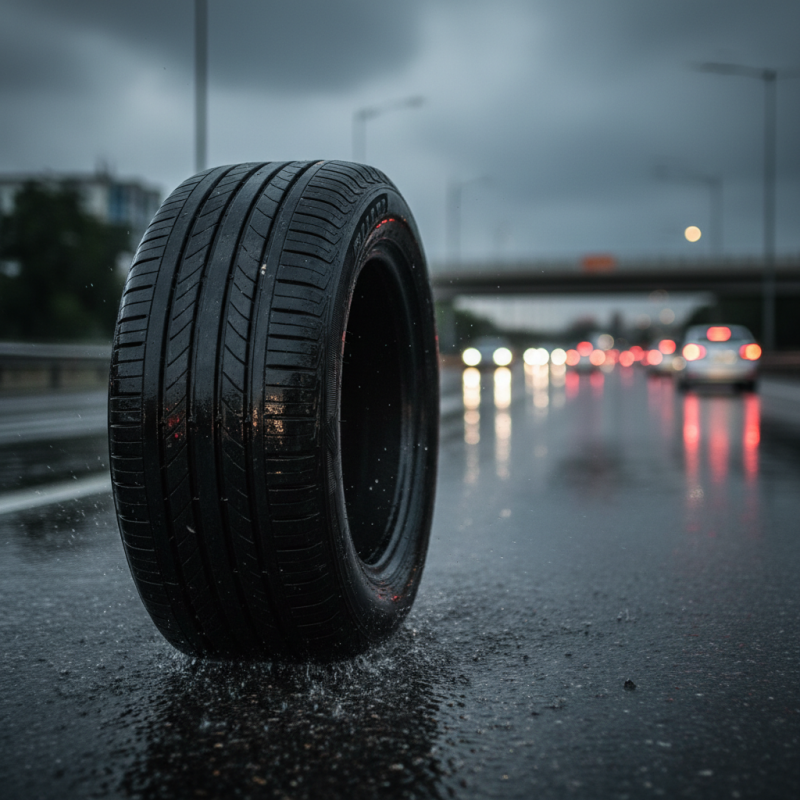
What Happens if I Drive on a Bald Tire Risks and Consequences?

Risks of Driving on Bald Tires: An Overview

Driving on bald tires poses significant risks that can endanger both your safety and others on the road. Bald tires lack sufficient tread depth, which is essential for maintaining traction. This can lead to reduced grip on wet or slippery surfaces. When roads are slick, bald tires increase the likelihood of skidding or hydroplaning. Many drivers underestimate these dangers, believing that they can manage their vehicle regardless of tire condition.

Loss of control is not the only concern. Bald tires also compromise braking efficiency. Without adequate tread, your stopping distance extends. This can turn a minor sudden stop into a major accident. Additionally, tire blowouts become more likely as bald tires are more susceptible to punctures and wear. Regularly inspecting your tires can help prevent these situations. It's essential to heed warning signs, such as vibrations or strange noises while driving, which can indicate tire problems.

Financial implications are another factor. It can be tempting to delay tire replacement, thinking it saves money. However, the costs associated with accidents, injuries, or vehicle damage can far exceed the price of new tires. In some cases, driving on bald tires might even lead to legal consequences if involved in an accident. The importance of maintaining tire health is often overlooked, yet it plays a critical role in road safety. Understanding these risks helps drivers make informed decisions, potentially saving lives.

Impact on Vehicle Performance and Handling

Driving on bald tires poses serious risks to vehicle performance and handling. The tread on a tire provides grip. When the tread wears down, the tire's ability to grip the road diminishes. This can lead to longer stopping distances and increased skidding on wet roads. Drivers may notice a lack of control, especially during sharp turns.

Bald tires can also affect fuel efficiency. When tires can't maintain proper contact with the road, your vehicle works harder. This leads to increased fuel consumption. Regularly checking tire tread depth can save you money and improve safety.

Tips: Regularly inspect your tires. Look for uneven wear and measure tread depth. Replace tires before they become bald. Keeping tires properly inflated can also enhance performance. Ensure your vehicle aligns correctly to avoid unnecessary wear. Small adjustments can make a significant difference.

Impact of Driving on Bald Tires

Safety Hazards Associated with Bald Tires

Driving on bald tires poses significant safety hazards. Bald tires, with worn tread, decrease traction. They increase stopping distances and reduce control. According to the National Highway Traffic Safety Administration (NHTSA), nearly 30% of tire-related crashes involve worn-out tires. This statistic highlights the risks drivers face.

Wet or icy conditions amplify these dangers. Bald tires struggle to channel water away, raising the risk of hydroplaning. A study from the Tire Industry Association confirms that vehicles on bald tires are twice as likely to lose control in adverse weather. Additionally, the reduced grip on slick surfaces can lead to severe accidents, especially in urban settings.

Inadequate tread depth also affects tire performance. Many drivers neglect regular tire maintenance. Ignoring signs of wear can lead to blowouts, leaving drivers vulnerable. The consequences can be catastrophic. Prioritizing tire health not only enhances safety but can also prevent financial burdens from accidents and repairs.

Legal Consequences of Driving with Worn Tires

Driving on worn tires can have serious legal consequences. In many jurisdictions, the law requires tires to meet specific tread depth minimums. According to a report by the National Highway Traffic Safety Administration, bald tires significantly increase the risk of accidents. They reduce traction in wet or slippery conditions, which could lead to costly accidents.

If law enforcement finds you driving with bald tires, you may face fines and penalties. These fines can vary widely, sometimes exceeding $200. When involved in an accident, driving on bald tires may affect your liability. Insurance companies often scrutinize tire conditions. If they determine your tires were unsafe, they could deny your claim. This means you might have to cover damages out of pocket.

Furthermore, driving on bald tires reflects negligent behavior. Courts tend to view such neglect unfavorably. This could lead to increased penalties or impacts on your driving record. In some states, repeat offenders may face license suspension. Prioritizing tire maintenance can prevent legal issues and enhance safety. Investing in regular inspections might save you from unexpected legal troubles.

What Happens if I Drive on a Bald Tire Risks and Consequences? - Legal Consequences of Driving with Worn Tires

Risk/Consequence Description Legal Implications
Loss of Traction Bald tires can significantly reduce grip on wet or icy surfaces. Could lead to accidents and associated liability claims.
Increased Stopping Distance Worn tires result in longer stopping distances, increasing the risk of collisions. May result in traffic violations and potential fines.
Hydroplaning Risk Bald tires are more prone to hydroplaning during heavy rain. Could lead to driving under unsafe conditions, affecting insurance claims.
Increased Wear on Suspension Driving on bald tires can lead to additional wear and tear on vehicle components. Neglecting maintenance could lead to further legal and financial consequences.
Reduced Fuel Efficiency Bald tires can cause the vehicle to consume more fuel. Vehicle inspection failures due to poor condition may incur penalties.

Tips for Recognizing and Replacing Bald Tires

Bald tires pose serious risks to your safety. These tires lack sufficient tread, which significantly reduces grip on wet or uneven surfaces. According to the National Highway Traffic Safety Administration (NHTSA), under-inflated or worn tires contribute to over 30% of vehicle crashes. Recognizing bald tires can save lives. Look for worn-out tread that appears flat or has shallow grooves. If you can see the wear indicators, it's time to act.

Replacing bald tires is crucial for vehicle performance. Experts suggest checking tire tread depth regularly. A simple penny test can help. Insert a penny into the tread; if you see Lincoln’s entire head, the tire is too worn. Many recommend replacing tires when tread depth falls below 2/32 of an inch. Delaying changes increases stopping distances and reduces handling. Regular maintenance is key, and monitoring tire health should be an essential part of your routine. Remember, the friction your tires provide is all that keeps you on the road.

FAQS

: What are the legal consequences of driving on worn tires?

: You may face fines and penalties if caught driving on bald tires. Fines can exceed $200.

How do worn tires affect accident liability?

If involved in an accident, insurance companies may deny claims if tires were unsafe. You might pay out of pocket.

Why is tire maintenance important?

Regular tire maintenance prevents legal issues and enhances safety. Neglected tires can lead to severe accidents.

What does the law say about tire tread depth?

Many jurisdictions require specific minimum tread depths. This varies by state, so check local laws.

How can I recognize bald tires?

Look for flat tread and shallow grooves. If wear indicators are visible, it's time to replace the tires.

What is the penny test for tires?

Insert a penny into the tread. If Lincoln’s entire head shows, the tire is too worn and needs replacing.

How often should I check my tires?

Experts recommend checking tire tread depth regularly. This habit enhances safety and vehicle performance.

What happens if I ignore tire maintenance?

Ignoring tire health can increase stopping distances and reduce handling. Delayed changes pose serious risks.

Can I face license suspension for worn tires?

Yes, repeat offenders in some states risk license suspension for consistently driving with unsafe tires.

What should I do if my tires are worn?

Replace them immediately. Prioritizing tire health is crucial for safe driving and avoiding legal troubles.

Conclusion

Driving on bald tires poses significant risks that can severely impact vehicle performance and handling. When a tire is worn down to the point of being bald, it loses its ability to grip the road effectively, leading to longer stopping distances, compromised steering control, and an increased likelihood of hydroplaning during wet conditions.

Moreover, the safety hazards associated with bald tires cannot be overstated. Not only do they increase the risk of accidents, but they can also have legal consequences, as driving with tires that do not meet safety standards may result in fines or penalties. To avoid these dangers, it is crucial to recognize the signs of tire wear and to replace bald tires promptly. By understanding what happens if I drive on a bald tire, drivers can take proactive steps to ensure their safety on the road.

Henry

Henry

Henry is a dedicated marketing professional with a profound expertise in the company's offerings. With years of experience in the industry, he possesses an impressive understanding of the market dynamics and consumer behaviors that drive success. Henry is committed to sharing his insights through......