How to Fix Car Vibration at 60 mph Explained

Time:2026-06-10 Author:Oliver
0%

Experiencing vibrations in your car at 60 mph can be unsettling. You might wonder, "Why is my car vibrating at 60 mph?" This issue might stem from various factors. Understanding these causes is crucial for maintaining safety and comfort while driving.

Car vibrations can signal problems with tires, alignment, or suspension. Worn tires may lead to uneven wear, causing shaking. Misalignment affects steering and stability. Suspension issues can further amplify vibrations, making them feel more pronounced.

Fixing these problems involves thorough inspection. Regular maintenance is key to preventing such issues. Consult a professional mechanic if you experience persistent vibrations. Don't ignore these signs, as they can point to serious underlying issues. Taking action can enhance your driving experience and ensure your safety on the road.
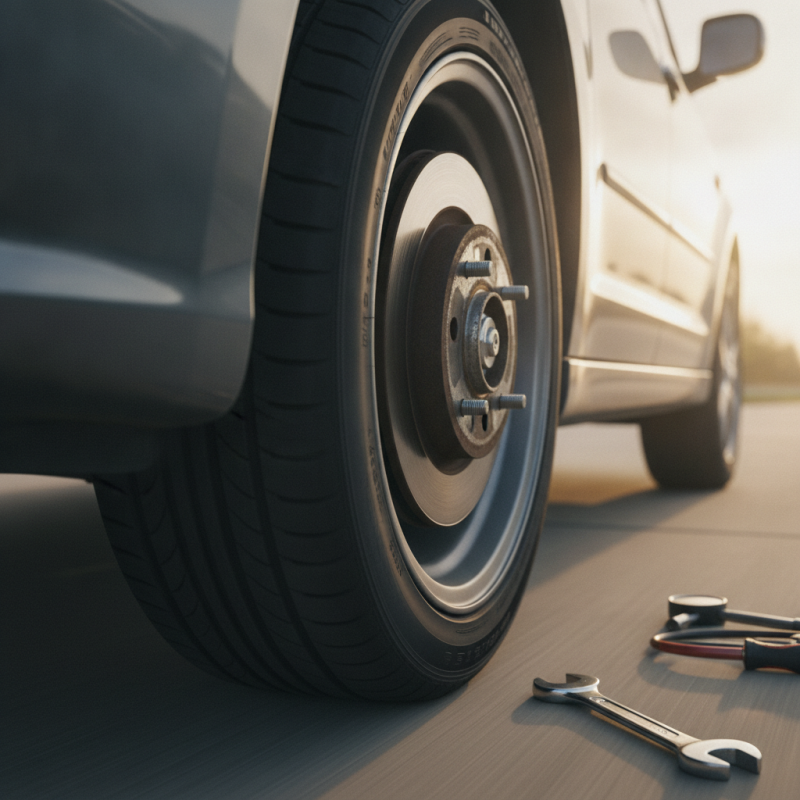
How to Fix Car Vibration at 60 mph Explained

Identifying Common Causes of Car Vibration at 60 mph

Car vibration at 60 mph can be alarming. Understanding common causes helps diagnose the issue effectively. Wheels are often the first suspect. If they are unbalanced or misaligned, vibrations become noticeable. This can occur when tires are worn unevenly. Inspecting tire pressure is also essential. Over-inflation or under-inflation contributes to instability.

Another potential cause is worn-out suspension components. Shocks and struts play a vital role in maintaining ride quality. If these parts are damaged, vibrations can arise. Drivers should check for signs of wear. They may notice sluggish response while steering or an uneven ride.

Lastly, the drivetrain components should not be overlooked. Issues in the driveshaft or axles can lead to vibration. These parts transmit power from the engine to the wheels. A failing component can cause a noticeable shake. Keeping up with regular maintenance can prevent these problems. Always be vigilant during driving to spot issues early.

Assessing Wheel Alignment and Tire Conditions

If you're experiencing car vibration at 60 mph, assessing wheel alignment and tire conditions is crucial. Misaligned wheels can cause uneven tire wear, leading to vibrations. Regular checks ensure your vehicle handles smoothly and safely. Look for uneven tread patterns or visible damage on the tires. Both issues can significantly impact your driving experience.

Check your tire pressure. Underinflated or overinflated tires can cause vibrations at higher speeds. Always use a reliable gauge and refer to your vehicle’s manual for the correct pressure. It’s a simple step that can make a big difference in performance. Essential for safety, this routine check enhances longevity.

Don’t overlook the importance of wheel alignment. Visit a professional if you notice vibration. Improper alignment can stem from hitting a pothole or curb. It’s an easy fix but often neglected. Enlist a technician who can conduct a thorough inspection. They should provide a detailed report. This allows you to make informed decisions about repairs. Regular maintenance of tires and alignment promotes a safer and smoother ride.

How to Fix Car Vibration at 60 mph Explained - Assessing Wheel Alignment and Tire Conditions

Issue Description Possible Causes Solutions
Tire Imbalance Uneven weight distribution in tires leading to vibrations. Incorrect tire installation, loss of wheel weights. Balance the tires using a wheel balancer.
Misalignment Tires not aligned to manufacturer specifications. Impact with potholes or curbs, worn suspension components. Perform a wheel alignment check and adjust as necessary.
Worn Tires Tires showing signs of wear that can lead to vibrations. Under-inflation, overloading, or age of tire. Inspect and replace worn or damaged tires.
Suspension Issues Problems in the suspension system causing instability. Worn out shocks or struts, loose components. Inspect suspension components and replace if necessary.

Examining Suspension and Steering Components for Issues

Car vibration at 60 mph can often be linked to issues in suspension and steering components. These parts play crucial roles in ensuring a smooth ride. A study from the National Highway Traffic Safety Administration indicates that about 23% of vehicle vibrations stem from suspension problems. When this occurs, it can lead to uneven tire wear, impacting overall safety.

Inspecting shock absorbers, axles, and control arms is essential. Worn-out shocks can cause excessive bouncing. Loose steering components may lead to an unstable steering feel. According to research, misalignment can result in a 25% increase in tire wear. Regular checks can prevent costly future repairs and improve driving comfort.

Drivers should also monitor tire condition. Uneven tread wear often indicates underlying suspension issues. A worn tire can worsen vibration problems. Addressing these factors is not just about comfort; it’s about safety. Neglecting such signs can lead to severe consequences. Recognizing and addressing these components early can ensure a smoother ride at any speed.

Investigating Engine and Drivetrain Problems

When your car vibrates at 60 mph, it can be unsettling. Often, the cause lies within the engine or drivetrain. A malfunctioning engine can lead to an imbalance, causing noticeable vibrations. Worn engine mounts may also allow excessive movement. These problems affect ride quality and overall safety.

Drivetrain issues are another common source of vibrations. Misaligned driveshafts can create disturbances. Similarly, worn-out universal joints might contribute to this problem. These components need regular inspection. Addressing these problems early can save you from costly repairs down the line.

Tip: Regular engine diagnostics can help identify issues before they escalate. Listen for unusual noises as you drive. This awareness may alert you to potential problems. Finally, don’t ignore vibrations. They often signal deeper issues that require attention. Taking prompt action can ensure your vehicle remains safe and reliable.

Car Vibration Analysis at 60 mph

This bar chart illustrates the common sources of car vibrations experienced at 60 mph due to engine and drivetrain problems. Each source is represented with its corresponding vibration intensity, measured in arbitrary units.

Testing and Balancing Tires for Smooth Operation

When your car vibrates at 60 mph, it’s often a sign of an underlying tire issue. One common culprit is tire imbalance. This occurs when the weight of the tire and wheel is not evenly distributed. An unbalanced tire can lead to uneven wear and vibration. Regularly checking for balance can prevent these problems. A simple test involves spinning the tires and checking for wobbles or skips.

Testing tire balance requires specific equipment, usually found in professional garages. Technicians spin the tire while measuring its balance. If they spot any discrepancies, they can adjust it by adding weights. This small step can significantly enhance your driving experience. Ensuring your tires are properly inflated also helps. Under-inflated or over-inflated tires can exacerbate vibration issues.

Rotating your tires regularly is another fundamental practice. This helps achieve uniform wear, ensuring longevity and performance. If vibrations persist, it’s crucial to investigate other areas. Suspension components and alignment also play vital roles. They can sometimes lead to vibrations that mimic tire issues. Addressing these concerns requires a knowledgeable mechanic, highlighting the importance of professional oversight.

FAQS

: What causes car vibrations at 60 mph?

: Common causes include unbalanced wheels, worn suspension components, and drivetrain issues.

How can I tell if my tires are unbalanced?

You may notice wobbles or skipping while driving. Regular tests help check tire balance.

Why should I check tire pressure?

Improper tire pressure can cause instability and lead to vibrations. Check it regularly for safety.

What symptoms indicate worn suspension parts?

Look for excessive bouncing, uneven ride quality, or sluggish steering response.

Can misalignment affect my tires?

Yes, misalignment can increase tire wear by 25%. Regular checks can prevent this issue.

How often should I rotate my tires?

Regular rotation promotes uniform wear. It helps improve performance and extends tire life.

What if vibrations continue after checking tires?

Persistent vibrations may indicate suspension problems or drivetrain issues. Consult a professional mechanic.

Is it safe to ignore vibration issues?

Ignoring vibrations can lead to severe consequences. Always address these signs promptly.

How do suspension components affect ride quality?

Worn shocks and loose parts can cause instability and vibrations, impacting overall safety.

What role does regular maintenance play?

Routine maintenance helps identify and prevent issues that can cause vibrations. Stay vigilant!

Conclusion

Car vibration at 60 mph can be a concerning issue for many drivers, leading to the common question: "Why is my car vibrating at 60 mph?" One of the first steps in diagnosing this problem is to identify common causes, such as improper wheel alignment and tire conditions. These factors can significantly impact vehicle performance and comfort.

Additionally, it is crucial to examine the suspension and steering components for any potential issues, as worn or damaged parts may contribute to vibrations. Engine and drivetrain problems should also be assessed, as they can affect the overall stability of the vehicle. Finally, testing and balancing the tires can ensure smooth operation and minimize any vibrations experienced at higher speeds. Through methodical investigation, drivers can pinpoint the source of the vibration and undertake the necessary repairs to restore a smooth ride.

Oliver

Oliver

Oliver is a seasoned marketing professional with a wealth of expertise in driving brand awareness and engagement. With a deep understanding of our company's product offerings, he consistently delivers high-quality content that enriches our professional blog. His insights not only shed light on......