Can a Sidewall Tire Puncture Be Repaired Effectively?

Time:2026-05-28 Author:Liam
0%

When it comes to tire maintenance, one burning question arises: "Can a sidewall tire puncture be repaired?" According to tire specialist Dr. Emily Harris, "Repairing a sidewall puncture often compromises safety, and replacement is usually recommended." Her insight reflects the hesitation many feel when faced with this issue. Sidewall punctures differ significantly from those in the tread area, posing unique challenges for repair.

Sidewalls are integral to tire integrity. They house structural elements that prevent tire blowouts. If these sections are compromised, simply patching may not be sufficient. A visible puncture can lead to air loss and destabilized vehicles. Customers often desire a quick fix, but professionals urge caution. The effectiveness of repairs depends on various factors like the size and location of the puncture.

Many believe that a skilled technician can restore a sidewall tire. However, the reality is more complex. Each case should be evaluated on its own merits. Reflecting on this expertise can guide tire owners in making informed decisions. While the allure of repairs exists, safety should always come first. Making the right choice can save lives and prevent accidents on the road.
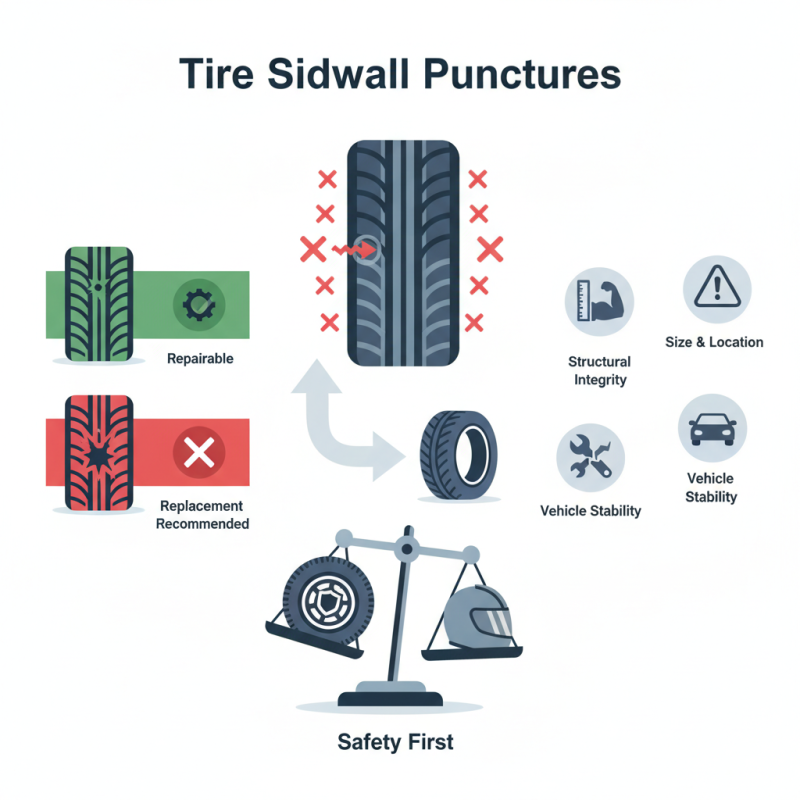
Can a Sidewall Tire Puncture Be Repaired Effectively?

Understanding Sidewall Tire Punctures: Causes and Risks

Sidewall tire punctures can be tricky. Understanding their causes and risks is crucial. Sidewalls are the most vulnerable part of a tire. They flex and bend as you drive. Sharp objects, potholes, and curbs can easily cause damage. These punctures often lead to air leaks, making your tire unusable.

Repairing sidewall punctures is not recommended. Unlike tread punctures, sidewall issues compromise structural integrity. A compromised sidewall can lead to tire blowouts. Many tire shops will refuse repairs on sidewalls for safety reasons. Drivers often overlook this area until it's too late.

Tips: Regularly inspect your tires for signs of wear. Check for bulges or cracks along the sidewall. If you spot something, don’t ignore it. Replace the tire as needed. Maintaining proper air pressure helps avoid sidewall damage. Remember, taking preventive measures is safer than dealing with a blowout.

Evaluating Repair Options for Sidewall Tire Damage

Sidewall tire punctures pose a unique challenge in tire repair. The sidewall is crucial for maintaining tire structure and performance. According to the Tire Industry Association, approximately 90% of sidewall punctures cannot be effectively repaired. This statistic raises questions about the safety and longevity of repaired tires. Damage to the sidewall often compromises the tire's integrity. Additionally, repairs in this area can risk sudden blowouts, especially under high-speed conditions.

Repair options for sidewall damage are limited. Professional tire technicians often recommend replacement rather than repair. The reasoning is rooted in safety; a weak sidewall can lead to catastrophic failure on the road. A 2022 study by the National Highway Traffic Safety Administration highlighted that improperly repaired tires contribute to 25% of tire-related accidents. This emphasizes the importance of cautious evaluation when faced with sidewall punctures.

Some may consider DIY repair kits, but these often fall short. While they provide a quick fix, they may not address the underlying structural issues. Repairing a sidewall may seem like a cost-effective solution, but the risks may outweigh the benefits. Investing in a new tire, although pricier upfront, ensures safety and reliability. Reflection on repair options reveals a need for better awareness and education among drivers about the dangers associated with sidewall damage.

Can a Sidewall Tire Puncture Be Repaired Effectively? - Evaluating Repair Options for Sidewall Tire Damage

Repair Method Effectiveness Cost Estimation Safety Concerns Longevity of Repair
Plugging Moderate $20 - $50 Moderate risk, depends on damage extent Short-term
Sidewall Patch Low $30 - $70 High risk, generally not recommended Unreliable
Tire Replacement High $100 - $300 No safety concerns Long-term
DIY Repair Kits Variable $10 - $30 Depends on user skill Short to medium-term

The Limitations of Repairing Sidewall Punctures

Sidewall punctures pose unique challenges for tire repair. Unlike tread punctures, which can often be patched effectively, sidewall damage is more problematic. According to the Tire Industry Association, about 90% of sidewall punctures are deemed irreparable. This is largely due to the structural integrity required for safe operation. The sidewall supports the tire's load while providing flexibility during maneuvers.

The limitations of repairing sidewall punctures stem from potential risks involved. When a puncture occurs, the sidewall's composite materials suffer damage. Factors such as the size and location of the puncture critically influence the repair outcome. A study from the Rubber Manufacturers Association indicates that even minor cuts can compromise tire performance significantly. Attempting to repair such damage could result in blowouts or loss of control while driving. Therefore, it’s essential for motorists to recognize when to replace rather than repair tires.

Tire maintenance experts often recommend caution with sidewall issues. Even if a repair seems feasible, it may not guarantee safety. Many tire professionals advise against trusting any repair solutions, as they may not uphold performance standards. The notion of "repairing for a quick fix" can turn hazardous. Understanding these limitations is crucial for ensuring road safety and maintaining vehicle reliability.

When to Replace vs. Repair a Sidewall Punctured Tire

When dealing with a sidewall tire puncture, the decision to repair or replace can be challenging. Sidewalls are crucial to tire integrity. According to the Tire Industry Association, over 90% of punctures occur in the tread area. Thus, many experts agree that sidewall damage often warrants replacement. Sidewall repairs can compromise safety. The rationale here is simple: repairs may not withstand the pressure during operation.

Tires with sidewall punctures typically cannot be effectively repaired. A study from the National Highway Traffic Safety Administration highlights that even a small sidewall injury can lead to blowouts. Additionally, it's essential to consider the tire's age. Tires older than five years may not be safe, even if damage appears minimal. Keeping up with regular tire maintenance ensures safer driving experiences.

Visual indicators can assist in decision-making. A bulge or a noticeable cut should raise alarms. If the puncture is larger than a quarter of an inch, replacement becomes even more critical. Reflecting on this, it’s important to err on the side of caution. Safety should always be prioritized over saving money on repairs that may not hold up.

Safety Considerations After a Sidewall Tire Repair

When dealing with a sidewall tire puncture, safety is a primary concern. Many drivers wonder if a repair is effective. The sidewall is structurally important. A failed repair can lead to blowouts while driving, especially at high speeds. Inspecting the damage carefully is crucial. A visible cut may indicate internal damage that cannot be seen.

After a sidewall repair, caution is essential. Many experts advise against reinstallation on the drive axle. If repaired, avoid high-speed travel for a while. This allows time to monitor for any signs of failure. Always check tire pressure frequently. You may feel confident but keep in mind the repair's limitations. Testing the repair under a load should also be approached with care.

Trust your instincts. If you feel unsure about a sidewall repair, consider replacing the tire instead. It might feel like an expense, but safety often outweighs cost. Repairs may seem reliable, yet they can be deceptive. Recognizing the potential risks helps ensure safer driving conditions. Stay informed and make thoughtful decisions about your tire safety.

Can a Sidewall Tire Puncture Be Repaired Effectively? - Safety Considerations After a Sidewall Tire Repair

This chart illustrates the percentage of cases regarding sidewall tire repairs. A significant portion, 30%, can be successfully repaired, while 40% are not recommended for repair due to safety risks. Additionally, 30% of repairs may still pose safety concerns even after a successful fix.

FAQS

: Why are sidewall tire punctures difficult to repair?

: Sidewall punctures compromise tire structure. About 90% are deemed irreparable due to safety concerns.

What is the recommendation for sidewall damage?

Professionals usually recommend tire replacement, prioritizing safety over temporary fixes.

How does sidewall damage affect driving safety?

Minor damages can lead to blowouts. It's essential to recognize the risks of driving on damaged tires.

Can DIY repair kits be effective for sidewall punctures?

DIY kits often fail to address structural issues. While they offer quick fixes, safety cannot be guaranteed.

What percentage of tire-related accidents involve repair issues?

A 2022 study revealed that 25% of tire-related accidents stem from improperly repaired tires.

What factors influence the repair outcome of a sidewall puncture?

The size and location of the puncture significantly impact repair effectiveness and safety.

What are the risks of repairing sidewall damage?

Repairs might not ensure safety. Trusting these solutions can lead to hazardous situations on the road.

How can drivers improve their understanding of tire safety?

Increasing awareness about sidewall damage risks is crucial for informed decision-making.

What could happen if I ignore sidewall tire damage?

Ignoring damage can result in serious accidents. It's essential to act swiftly when issues arise.

Is replacing a tire always more expensive than repairing it?

While replacing might seem costly, it ensures safety and reliability, possibly saving costs from accidents later.

Conclusion

The article "Can a Sidewall Tire Puncture Be Repaired Effectively?" explores the complexities surrounding sidewall tire punctures, including their causes and associated risks. It emphasizes that while some repair options exist for sidewall damage, effective repairs are often limited by the structural integrity required for safe tire performance. The article discusses the circumstances under which a tire should be replaced rather than repaired, highlighting that repairs might not provide adequate safety, especially for larger or more severe punctures.

Furthermore, it outlines crucial safety considerations following a repair, as the reliability of a fixed sidewall tire can impact overall driving safety. Ultimately, the article addresses the essential question: "Can a sidewall tire puncture be repaired?" and advises drivers to evaluate their options carefully, prioritizing safety over cost when faced with sidewall tire damage.

Liam

Liam

Liam is a dedicated marketing professional with a profound expertise in the industry, where he excels at highlighting the unique advantages of our core products. With a keen understanding of market trends and consumer needs, Liam frequently updates our company’s professional blog, providing......