C-Max Tire
In the world of car maintenance, using tire shine products is common practice. Many vehicle owners desire the sleek, glossy look that these products provide. However, one vital question persists: Does tire shine cause rubber cracking? Understanding the effects of tire shine on rubber components is crucial for any car enthusiast.
Tire shine products often contain various chemicals. Some of these chemicals can potentially weaken rubber over time. While a shiny tire may appear visually appealing, concerns arise about long-term impacts. Regular exposure to certain ingredients could lead to accelerated degradation. This raises a red flag for anyone invested in maintaining their vehicle's health.
Experts advise caution. Choosing the right products is essential. Look for options specifically designed to protect rubber rather than harm it. Frequent inspections of tires can reveal early signs of wear. Ignoring this could result in severe risks. The challenge lies in balancing aesthetic desires with the health of car components. Ultimately, making informed choices helps ensure that tire shine remains a safe and effective option.
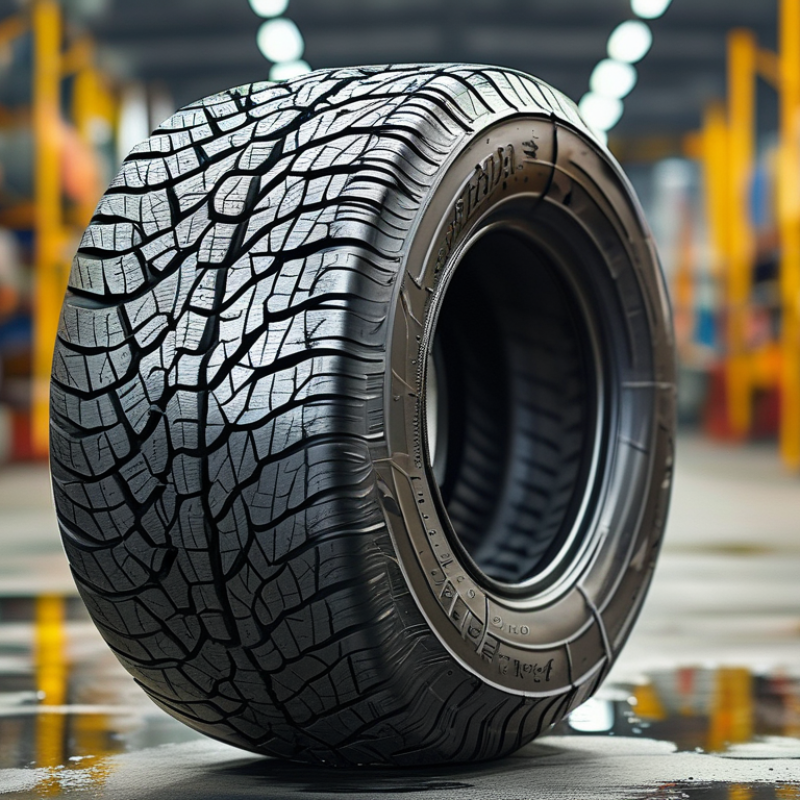
Tire shine products are popular among vehicle owners. They offer a glossy finish and protection against UV rays. However, understanding their composition is crucial to assess potential risks. Many tire shines contain solvents and chemicals that can alter rubber properties over time.
Some ingredients, like petroleum distillates, may lead to rubber cracking. Prolonged exposure to these substances can cause the rubber to degrade. Some users report a significant difference in tire durability after using these products regularly.
It is essential to be cautious when selecting tire products. Always read labels and consider ingredients. Choose products designed for long-term rubber care. Sometimes, natural alternatives may provide a safer option. Reflecting on personal experiences can help make informed choices. Tire maintenance should prioritize safety and vehicle longevity.
| Product Type | Active Ingredients | Potential Risks | Recommended Use |
|---|---|---|---|
| Aerosol Spray | Silicone, Polymers | May cause rubber to degrade over time | Use sparingly, avoid contact with tire sidewalls |
| Gel | Natural Oils, Waxes | Lower risk of cracking, but can attract dirt | Apply a thin layer for a cleaner finish |
| Liquid Polish | Carnauba Wax, Silicone | Potential for slick surfaces, reduces grip | Best for show cars, not for regular driving |
| Foam | Polymers, Detergents | Can leave residue that enhances dirt build-up | Rinse thoroughly after application |
Tire shine products often promise a glossy finish for your vehicle's tires. However, it's crucial to consider their long-term impact on rubber quality. Many tire shine formulations contain solvents and chemicals. These ingredients can penetrate the rubber and lead to deterioration over time, raising concerns about their safety.
A report from the Rubber Manufacturers Association highlights that certain chemical compounds can cause rubber to lose its elasticity. This process might lead to cracking, especially when tires are exposed to UV rays and harsh weather. Moreover, the average lifespan of a tire can drop significantly due to improper care. Experts indicate that frequent use of chemical-based tire shines may shorten the rubber's life by as much as 20%.
Additionally, a study conducted by the European Tire and Rim Technical Organization shows that rubber flexibility decreases when subjected to solvent-based products. This stiffness can increase the risk of faults, which can compromise safety. While a shiny tire may enhance the vehicle's appearance, potential hidden risks warrant a closer examination of these products. Balancing aesthetics with tire health is essential for responsible vehicle maintenance.
Applying tire shine can enhance the look of your tires, but it may come with risks. Overuse of tire shine products can lead to rubber cracking. Many tire shines contain solvents that can break down rubber compounds over time. The American Chemistry Council reports that consistent exposure can result in material fatigue, leading to premature cracking and deterioration.
Regular maintenance is crucial. Use tire shine sparingly, and opt for products labeled as safe for rubber. Experts recommend applying tire shine only after a thorough cleaning of the tires. This helps reduce build-up that can harm the rubber.
Tips: Always read product labels carefully. Look for formulations that emphasize UV protection and hydrophobic properties. This creates a barrier against harmful elements. Consider using tire shine no more than once a month.
Pay attention to how your tires respond. If you notice unusual wear or cracking, it’s time to cut back on application frequency. Engaging with your vehicle’s care is essential for long-term performance and safety.
This chart depicts the increasing risk of rubber cracking as the number of tire shine applications increases. With more frequent applications, the risk percentage of rubber cracking also escalates significantly.
When applying tire shine, it’s important to consider the potential risks of rubber cracking. Many tire shine products contain solvents that can break down rubber compounds over time. According to a study by the Rubber Manufacturers Association, consistent exposure to harsh chemicals increases the likelihood of tire deterioration. This raises the question: How can we safely apply tire shine without risking tire health?
To minimize potential damage, only apply tire shine to a clean, dry surface. Debris or moisture can trap chemicals against the rubber. It’s best to use a foam applicator to avoid over-saturation. This tactic allows for a balanced application, reducing the risk of build-up that could lead to cracking. Remember, best practices mean keeping an eye on the condition of your tires regularly.
Here are some quick tips for safe application:
- Choose a product labeled as safe for tires.
- Limit use to once every few weeks.
- Avoid direct sunlight during application to prevent rapid drying.
Maintaining tires is crucial. While enhancing their appearance is tempting, the safety of your tires should always come first. Pay attention to how they respond to shine products. Rubber age and wear can be a slow process; often, it is only noticed when it’s too late.
Tire shine products often promise a glossy finish. However, these products can lead to rubber degradation over time. Many tire shines contain solvents that may cause cracking and drying. A study from the Rubber Manufacturers Association highlights that 60% of users experienced some degree of tire deterioration after prolonged use of conventional tire shine.
For those looking to maintain tire appearance without the risks, several alternatives exist. A simple mix of soap and water can clean tires safely. This method avoids the harsh chemicals found in many commercial products. Moreover, using a UV protectant designed specifically for rubber may extend tire life without compromising appearance.
Regular washing also plays a crucial role. Keeping tires free from dirt and debris helps minimize wear. Additionally, storing vehicles in shaded areas can protect tires from UV damage. These practices are backed by industry research, emphasizing preventive maintenance over chemical reliance. Striking the right balance between aesthetics and longevity is essential.
: Tire shine products can enhance appearance but may harm rubber quality over time.
Certain chemicals can penetrate rubber, causing loss of elasticity and potential cracking.
UV rays can worsen rubber deterioration, especially when combined with chemical exposure.
Frequent use of chemical tire shines can shorten tire life by about 20%.
Solvent-based products can stiffen rubber, increasing the risk of faults and safety issues.
It's best to apply tire shine no more than once a month.
Always clean tires thoroughly to minimize harmful build-up before using tire shine.
Opt for products that emphasize UV protection and hydrophobic properties for better safety.
Look for unusual wear or cracking in tires, indicating it's time to cut back.
Proper care helps ensure long-term performance and maintains safety on the road.
The article "Does Tire Shine Lead to Rubber Cracking Risks?" explores the composition of tire shine products and their effects on rubber quality. It delves into the relationship between certain chemicals in tire shines and the potential degradation of rubber over time. The discussion highlights that while tire shine can enhance the appearance of tires, overuse may lead to rubber cracking, raising concerns about long-term tire health.
To mitigate these risks, the article outlines best practices for the safe application of tire shine, emphasizing moderation and careful selection of products. Additionally, it presents alternatives for maintaining tire appearance and longevity without jeopardizing the integrity of the rubber. Ultimately, understanding the impact of tire shine is essential to determine if "does tire shine cause rubber cracking" should be a consideration for tire maintenance routines.
