Top 10 Tips to Read the DOT Date Code on Tires?

Time:2026-06-13 Author:Ethan
0%

Understanding how to read the DOT date code on tires is crucial for maintaining vehicle safety. According to tire expert John Smith, “The DOT code is your tire’s lifeline.” This statement emphasizes the importance of knowing your tire's age, as it can significantly impact performance and safety.

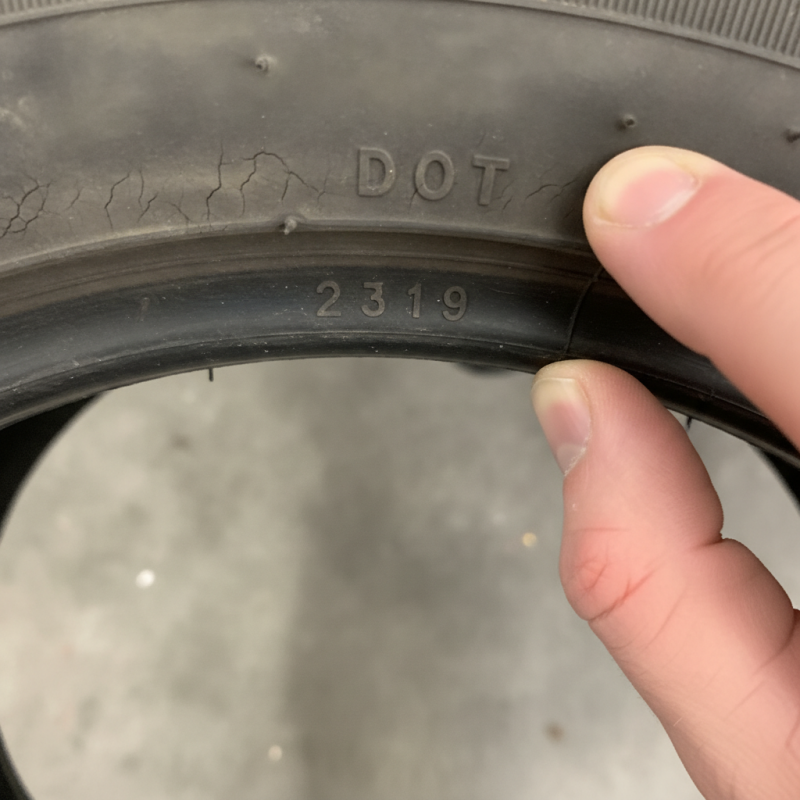
The Department of Transportation (DOT) code reveals the manufacturing date of your tires. It consists of four digits, where the first two indicate the week, and the last two signify the year of production. For instance, a code of “2319” means the tire was made in the 23rd week of 2019. This simple but vital information helps drivers gauge the health of their tires.

A tire's age plays a critical role in its performance. Older tires may develop issues, even if they show little visible wear. Regularly checking the DOT date code can save lives. Engaging with the specifics of this code should become part of every driver's routine. The next time you check your tires, remember that small details can have significant implications.
Top 10 Tips to Read the DOT Date Code on Tires?

Understanding the Importance of the DOT Date Code on Tires

The DOT date code is a crucial element in tire safety. Understanding this code can prevent dangerous situations on the road. Each tire produced in the U.S. has a DOT code, which provides vital information about its manufacture. The last four digits of this code indicate the week and year of production. For example, a code ending in "2319" means the tire was made in the 23rd week of 2019.

Tires age, regardless of tread depth. A tire that is too old may not perform well, even if it appears fine. Many drivers overlook this detail, leading to unnecessary risk. Experts recommend replacing tires that are over six years old, regardless of usage. Regularly checking the DOT date code helps ensure your vehicle's safety. It empowers drivers with knowledge to make informed decisions.

Take time to inspect your tires. It is essential to look for the DOT code frequently. Many drivers may forget about this aspect until it becomes an issue. Always be aware of your tire's condition beyond just the appearance. A proactive approach can save lives.

Identifying the Location of the DOT Code on Your Tires

When it comes to tire safety, knowing how to read the DOT code is essential. The Department of Transportation (DOT) code indicates tire manufacturing details. But where do you find this code? Typically, it is located on the tire's sidewall. Look closely at the letters and numbers embossed on the outer surface. The code usually comprises a series of numbers and letters, with the last four digits indicating the production week and year.

Identifying this location may take some time. The DOT code is not always easy to spot. It is often surrounded by other markings that may distract your focus. Inspect your tires closely and familiarize yourself with the typical appearance of these codes. You may feel overwhelmed at first, especially if you are new to tire maintenance. Learning to identify this important information is a skill that can improve your understanding of tire safety significantly.

Regular checks of your tires can save you from potential hazards. Being proactive with your tire condition is better than waiting for an issue to arise. The more you inspect your tires, the more intuitive it becomes to spot the DOT code. Each time you check, it reinforces your tire knowledge, making you a more informed driver overall.

Decoding the DOT Date Code Format: What Each Number Represents

Understanding the DOT date code on tires is essential for vehicle safety. The DOT code appears on the sidewall of tires. It provides vital information about the tire's age. This code includes the manufacturer’s identity and, importantly, the week and year of production.

The date code format uses four digits. The first two digits represent the week, while the last two indicate the year. For instance, a code of "2319" means the tire was produced in the 23rd week of 2019. This method helps consumers choose tires that are fresh and safe. Visual checks can sometimes lead to errors, so it’s crucial to rely on this code for accuracy.

Many people overlook this crucial detail. Tires older than six years may experience issues. A visible tread might not reflect the internal condition. Regularly checking the DOT date code ensures you avoid potential hazards. It might save you from unexpected breakdowns or accidents. Remember, safety starts with awareness and informed choices.

Top 10 Tips to Read the DOT Date Code on Tires

Tip Number Description DOT Code Example What It Represents
1 Locate the DOT Code on the Sidewall DOT XXXXXX1234 DOT identifier and manufacturing location
2 Identify the Last Four Digits 1234 Represents the week and year of manufacture
3 Understand the Format WYY W = week, YY = year
4 Note Special Cases DOT XXXXXX0219 Indicates manufactured in week 2 of 2019
5 Identify Older Tires DOT XXXXXX3015 Indicates manufactured in week 30 of 2015
6 Look for Pre-2000 Format DOT XXXXXX2500 Indicates 25th week of 2000
7 Check for Tire Recalls -- Cross-reference DOT code with safety recalls
8 Use Online Resources -- Find databases to check tire expiration
9 Inspect for Visibility -- Make sure DOT code is legible for safety
10 Consult Professionals -- Contact tire dealers for advice on tire age

Recognizing the Impact of Tire Age on Performance and Safety

Understanding tire age is crucial for vehicle safety. A tire’s performance can diminish significantly as it ages. Even if a tire appears to have good tread, it may not perform optimally. Rubber compounds degrade over time, leading to decreased traction. This makes it essential to recognize the importance of the DOT date code.

When inspecting tires, look for the last four digits on the DOT code. These digits indicate the week and year the tire was manufactured. For example, a code ending in “2121” means the tire was made in the 21st week of 2021. Tires older than six years may be at higher risk of failure. Regular checks can prevent dangerous situations on the road.

Keep in mind that tire age isn’t always visible. You may not notice any cracks or bulges. However, internal damage could still be significant. Always consider the age of your tires, even if they look fine. Remember, safety should never be compromised. After all, tires are your only contact with the road. Regularly inspecting the DOT date code can help ensure your journey remains safe.

Checking and Interpreting the Manufacturing Date for Safe Driving

Understanding the DOT date code is essential for tire safety. This code is a four-digit number, located on the sidewall of your tire. The first two digits represent the week of manufacturing, while the last two indicate the year. For instance, a code of "2319" indicates the tire was made in the 23rd week of 2019. Knowing this information helps assess the tire's age and condition.

Older tires can pose significant risks, even if they appear fine. Tires older than six years may develop issues like cracking or reduced performance. Regularly checking the DOT date code is a simple yet often overlooked task. If you're unsure of the exact date, consult your vehicle’s manual or a trusted tire professional. It's worth noting that many drivers miss this detail, thinking newer tires are always reliable. However, time affects rubber integrity, regardless of usage. Pay attention to the manufacturing date to ensure safe driving experiences.

Top 10 Tips to Read the DOT Date Code on Tires

FAQS

: What is the DOT date code?

: The DOT date code provides information about a tire's manufacture. It indicates when a tire was made.

How can the DOT date code impact safety?

Understanding the DOT code can prevent dangerous situations. Old tires may not perform well, increasing the risk of accidents.

Where is the DOT code located on a tire?

The DOT code is found on the tire's sidewall. It's usually among other markings, so look closely.

Why should I check the DOT date code regularly?

Regular checks help ensure tire safety. Aging tires may appear fine but can compromise safety.

What do the last four digits of the DOT code mean?

The last four digits indicate the week and year of production. For example, "2319" means the tire was made in 2019.

When should I replace my tires?

Experts suggest replacing tires over six years old. Age affects performance, regardless of tread depth.

Is it easy to spot the DOT code?

No, the DOT code can be hard to find. It's often surrounded by other markings that distract you.

Can I rely solely on the tire's appearance?

No, appearance isn't enough. Tires can be old and unsafe even if they look fine.

What should I do if I can't find the DOT code?

If you're struggling, take your time. Familiarizing yourself with tire markings can enhance your understanding.

Will checking the DOT code often help me?

Yes, frequent checks make it easier to spot the code and understand tire safety better.

Conclusion

Understanding how to read the DOT date code on tires is essential for ensuring safe driving and optimal tire performance. The DOT code, usually located on the sidewall of the tire, provides crucial information about the tire's manufacturing date. By decoding this format, drivers can identify the age of their tires and recognize how it may impact overall safety.

It is important to be aware that tire age can significantly affect performance, making it vital to check the manufacturing date regularly. This knowledge empowers drivers to make informed decisions about when to replace their tires, promoting safer driving experiences and enhancing road safety.

Ethan

Ethan

Ethan is a seasoned marketing professional with a deep expertise in our company's innovative product line. With a passion for sharing knowledge and insights, he takes the lead in regularly updating our corporate blog, where he explores industry trends, product features, and effective marketing......