C-Max Tire
Checking tire tread depth is essential for safe driving. Using a penny as a handy tool makes this task easy. According to Tim Johnson, a tire safety expert, "A penny can save more than just money; it can save lives." His insight highlights the importance of maintaining proper tire tread.
To check tire tread depth with a penny, insert the coin into the tread grooves. If Lincoln’s head is barely visible, it’s time for new tires. This straightforward method provides a quick assessment of your tire condition. Tire tread affects traction, especially in wet conditions. Neglecting tread depth can lead to accidents or hydroplaning.
Regular checks are vital. They ensure your vehicle performs optimally, especially during adverse weather. While the penny method is simple, some drivers might overlook this crucial step. It’s easy to forget, but staying proactive about tire health can prevent serious issues on the road.
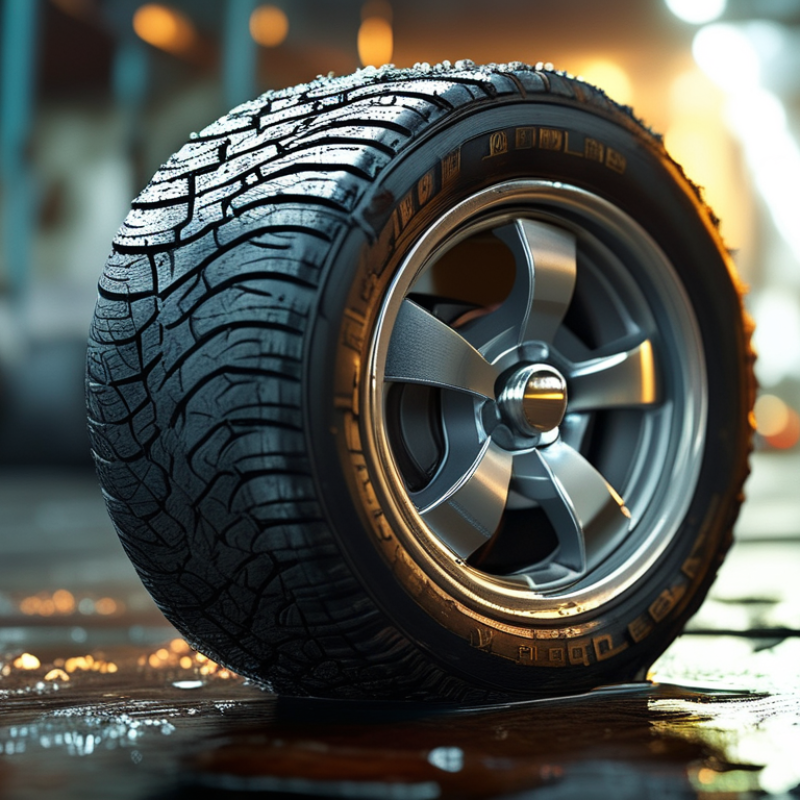
When checking tire tread depth, using the right penny is essential. A standard U.S. penny should do the trick. Specifically, the Abraham Lincoln side is most used for this purpose. The depth of Lincoln's head provides a clear visual cue. If you insert the penny into the tread and see the top of his head, your tread is worn out. This speaks volumes about your tire's condition.
The importance of maintaining proper tread depth is supported by statistics from the U.S. Department of Transportation. They report that about 30% of all accidents are related to tire issues. A tread depth of 2/32 inches is deemed unsafe. Ideally, tires should maintain a depth of at least 4/32 inches for proper traction. Use that penny wisely to avoid hazardous driving conditions. Checking your tires regularly can prevent costly accidents and enhance road safety.
It's noteworthy that this method is easy and cost-effective, requiring nothing fancy. However, remember that penny tests are not foolproof. Different tire types and conditions might require additional assessments. A penny provides a basic check, but regular professional inspections are crucial. Make tire care a priority to ensure reliability on the road.
Tread depth is crucial for vehicle safety. According to the National Highway Traffic Safety Administration (NHTSA), worn tires greatly increase the risk of accidents. Tires must maintain adequate tread depth to ensure proper grip on the road. The minimum legal tread depth in many regions is 2/32 of an inch, but experts recommend at least 4/32 of an inch for optimal performance in wet conditions.
Using a penny to check tire tread depth is simple. Insert the penny into the grooves. If you can see all of Lincoln's head, your tread is too shallow. Inadequate tread leads to longer stopping distances, especially on wet surfaces. Research shows that tires with less than 3/32 of an inch tread can double the stopping distance compared to tires with adequate tread.
Keeping track of tread depth can be overlooked. Many drivers forget to perform this simple check. Environment factors, like rain and snow, can amplify the risks of driving on worn tires. Regularly monitoring tread depth is essential for safe driving. Neglecting this can lead to serious consequences on the road.
Checking your tire tread depth is crucial for safe driving. One simple method is the penny test. This test uses a one-cent coin to measure tread wear. It offers a clear, visual way to assess tire health, directly linking tread depth to tire performance and safety.
To perform the penny test, insert a penny into the tire’s tread grooves with Lincoln's head down. If the top of his head is visible, your tread is too shallow. Effective tires should show some of Lincoln's head when the penny is inserted. Studies indicate that tires with less than 2/32 of an inch of tread left can cause significant hydroplaning risk. Maintaining proper tread depth improves traction and lowers the chance of accidents.
According to the Rubber Manufacturers Association, approximately 50% of vehicles on the road have at least one tire that is dangerously underinflated or worn. This underscores the importance of regular tests and proper vehicle maintenance. If your tread depth is questionable, it's time to act. Don't wait until your tires compromise your safety or worsen your handling on wet roads. The penny test is a key tool for every driver aiming for safe commuting.
Understanding your tire tread depth is essential for safe driving. A penny can serve as a simple tool for this check. Insert a penny into the tread grooves. If you see Lincoln’s head, the tread is worn. Generally, tires should have at least 2/32 of an inch of tread for optimal performance. According to the Tire Industry Association, tires worn below this depth can significantly compromise traction, especially in wet conditions.
Tread depth directly impacts fuel efficiency and braking distance. Research indicates that tires with good tread can improve fuel economy by up to 15%. On the other hand, shallow tread increases the likelihood of hydroplaning on wet roads. A study by the National Highway Traffic Safety Administration (NHTSA) found that nearly 30% of tire-related accidents are due to inadequate tread.
Additionally, inadequate tread can lead to inconsistent handling and longer stopping distances. This can be critical in emergency situations. Monitoring tread depth regularly ensures you maintain the necessary performance levels. Many drivers overlook this detail, potentially endangering their safety. It's vital to take the time to check, reflecting on your vehicle’s performance and the importance of tire health.
| Tread Depth (in mm) | Performance Category | Recommended Usage | Risk Level |
|---|---|---|---|
| 8+ | Optimal | Daily Driving | Low |
| 6 - 7.9 | Acceptable | Regular Use | Moderate |
| 4 - 5.9 | Warning | Limited Driving | High |
| 2 - 3.9 | Critical | Replace ASAP | Very High |
| 0 - 1.9 | Dangerous | Do Not Drive | Extreme |
The tread depth of your tires is crucial for safety and performance. Industry standards suggest different tread depth requirements for various vehicle types. For passenger cars, a minimum tread depth of 2/32 inch is acceptable. However, experts recommend that drivers replace tires when they reach 4/32 inch for better wet traction.
For SUVs and trucks, a tread depth of 6/32 inch is advised. This recommendation accounts for the heavier weight and increased handling demands of these vehicles. Studies indicate that tires with adequate tread depth can improve grip on wet roads. This is especially important as many accidents occur in adverse weather conditions.
Regularly checking your tread depth is vital. Using a penny is a simple yet effective method. Insert the penny into the tread grooves. If you can see all of Lincoln's head, it's time to consider a tire replacement. This habit can prevent dangerous driving situations. Monitoring tire health can save you from costly accidents and enhance your overall ride experience.
: The penny test checks tire tread depth using a one-cent coin. It's easy and visually effective.
Insert a penny into the tire tread grooves with Lincoln's head down. Check if Lincoln’s head is visible.
If you see Lincoln’s head, your tire tread is too shallow. It indicates worn tires that may be unsafe.
Tires should have at least 2/32 of an inch of tread for safe performance, especially in wet conditions.
Adequate tread depth improves traction and reduces hydroplaning risk, enhancing safety and performance on the road.
Regularly check your tire tread depth. Many drivers overlook this, which can be dangerous for their safety.
Inadequate tread can lead to longer stopping distances and inconsistent handling, especially during emergencies.
Passenger cars should aim for a minimum of 2/32 inch tread depth, while SUVs and trucks should have 6/32 inch.
Good tread can improve fuel economy by up to 15%, while shallow tread may decrease efficiency.
Consider tire performance, safety risks, and how tread depth impacts your overall driving experience.
The article titled "How to Use a Penny to Check Your Tire Tread Depth?" provides a comprehensive guide on assessing tire health using a simple penny test. It begins by identifying the appropriate penny for the task and emphasizes the significance of tread depth for ensuring vehicle safety. Understanding how tread depth impacts performance is crucial, as worn tires can affect traction and control.
The step-by-step guidelines demonstrate how to check tire tread depth with a penny, allowing vehicle owners to perform this essential maintenance check effectively. The article also explains how to interpret the results, offering insights into acceptable tread depths for various vehicle types based on industry standards. This knowledge empowers drivers to maintain their vehicles and enhance road safety.
