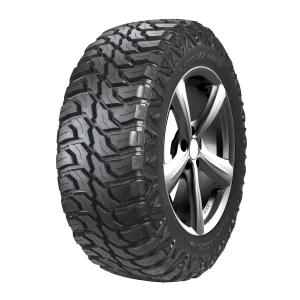
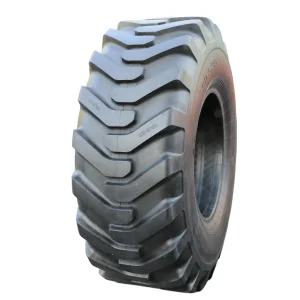
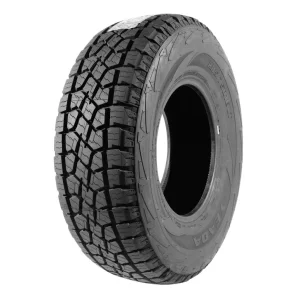
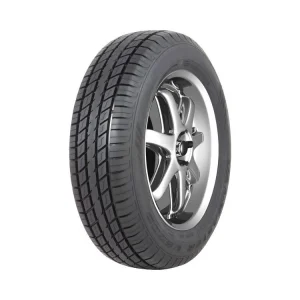
C-Max Tire
C-Max Tire
C-Max Tire
Explore our flagship heavy-duty tires, agricultural machinery systems, and precision-fitted wheel setups engineered to maximize efficiency with tire pressure monitoring sensor systems.
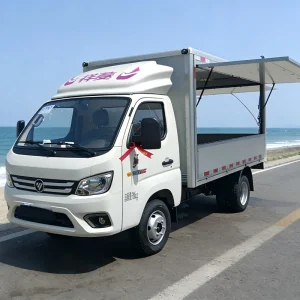
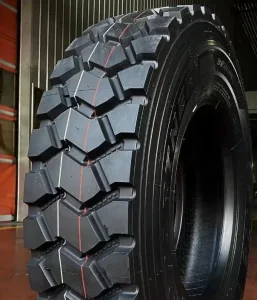
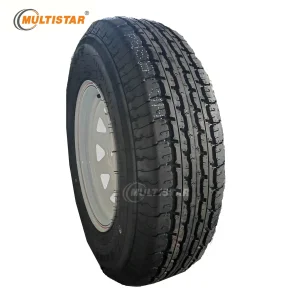
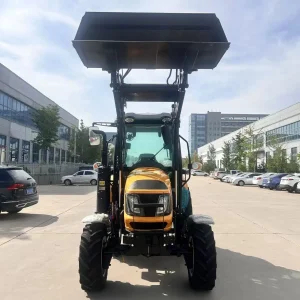
The global transportation and heavy machinery sectors are transitioning rapidly toward autonomous, connected, and predictive operational structures. Within this shift, the tire, historically viewed as a simple mechanical component, has become a core source of real-time operational telematics. Modern Tire Pressure Monitoring Systems (TPMS) have evolved from basic driver-warning dash indicators into deep-level IoT sensor platforms. By tracking both absolute pressure and internal temperatures, they actively feed data to cloud-based fleet management databases and AI-driven predictive systems.
Key technological advancements are currently reshaping this segment. The integration of Bluetooth Low Energy (BLE) protocols has lowered energy consumption while streamlining transmission paths directly to standard vehicle head units and smart devices. MEMS (Micro-Electro-Mechanical Systems) accelerometer integrations ensure that sensors transmit data dynamically based on movement, preserving battery runtime. In harsh OTR (Off-the-Road) and heavy truck fleets, smart monitoring mitigates the threat of catastrophic pressure loss and blowout scenarios, boosting overall operational safety.
Continuous data streaming tracking internal tire conditions directly linked to fleet analytics software for optimal routing and preventive repairs.
Intelligent, vibration-activated hardware utilizing high-capacity battery units rated for extended active operation in rough environments.
Seamless alignment with FMVSS 138, EU Regulation 661/2009, and international commercial shipping safety mandates.
In B2B purchasing, the criteria for sourcing tires and monitoring hardware extend beyond purchase cost alone. Fleet procurement managers, municipal buyers, and distributors evaluate parts based on the Total Cost of Ownership (TCO). Operations running heavy vehicle segments—such as mining dump trucks, long-haul trailers, or complex agricultural setups—face high operational expenses from downtime. A single tire blowout can delay logistics, damage valuable equipment, and risk driver safety.
Optimal pressure retention directly decreases rolling resistance, helping lower fuel consumption across large fleets. Properly pressurized commercial tires also wear more evenly, extending tread life and reducing premature waste. Global procurement relies on dependable supply chains that offer high production capacity, strict adherence to global safety standards (DOT, ECE, and CE certifications), and responsive technical support for integrated components.
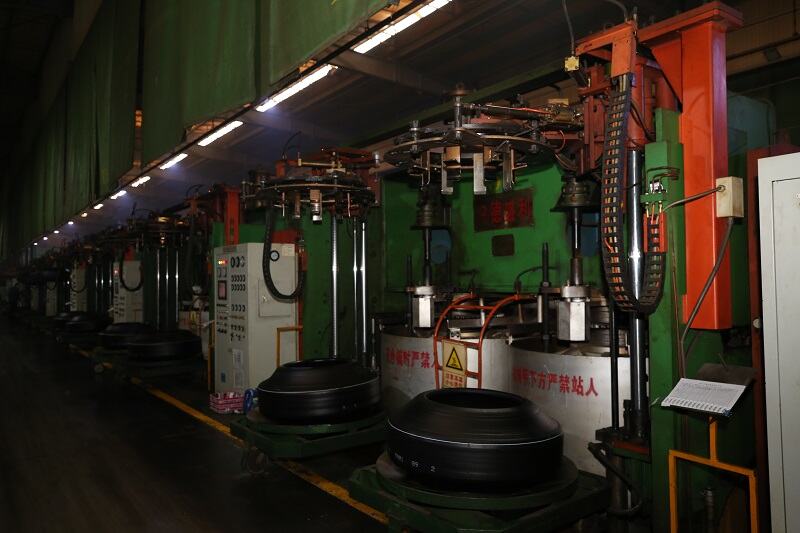
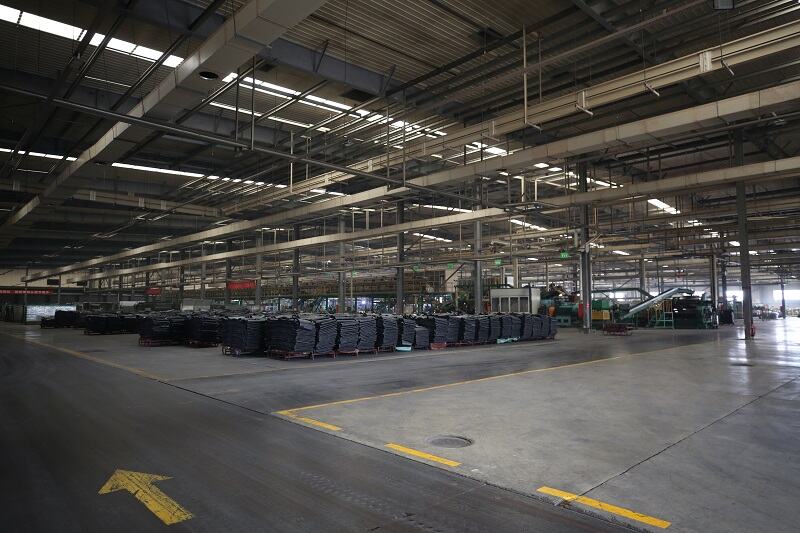
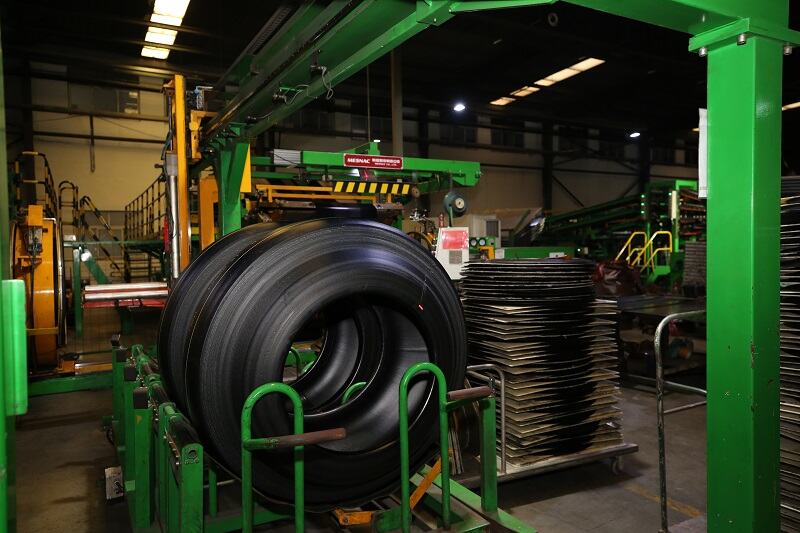
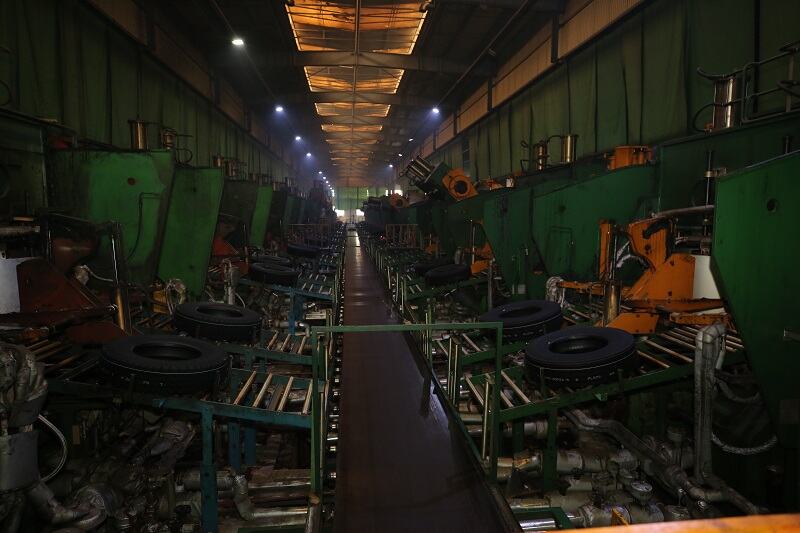
The manufacturing infrastructure of tire pressure monitoring systems and high-grade radial tires in China has shifted from traditional assembly lines to automated Industry 4.0 Smart Factories. Advanced manufacturing relies on integrated processes, where robotic cutting, high-precision laser welding, and automated bending machines operate within unified quality control networks. Modern facilities minimize human error through optical scanner inspections and automated calibration systems that check every sensor and structural component before shipping.
This automated foundation ensures deep supply chain resilience. Utilizing localized raw materials, automated component tracking, and direct access to major shipping ports like Qingdao, Chinese factories offer consistent lead times even during volatile global shipping conditions. By coupling raw material sourcing with precision robotics, production stays cost-efficient without compromising on safety or quality standards.
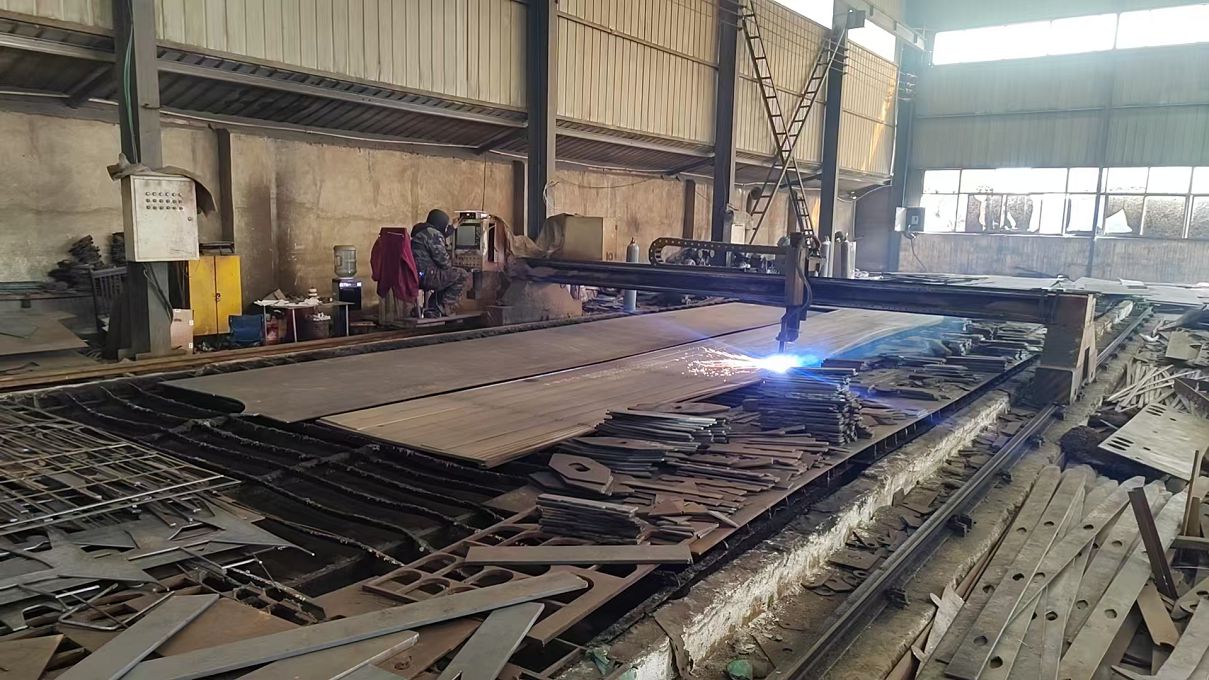
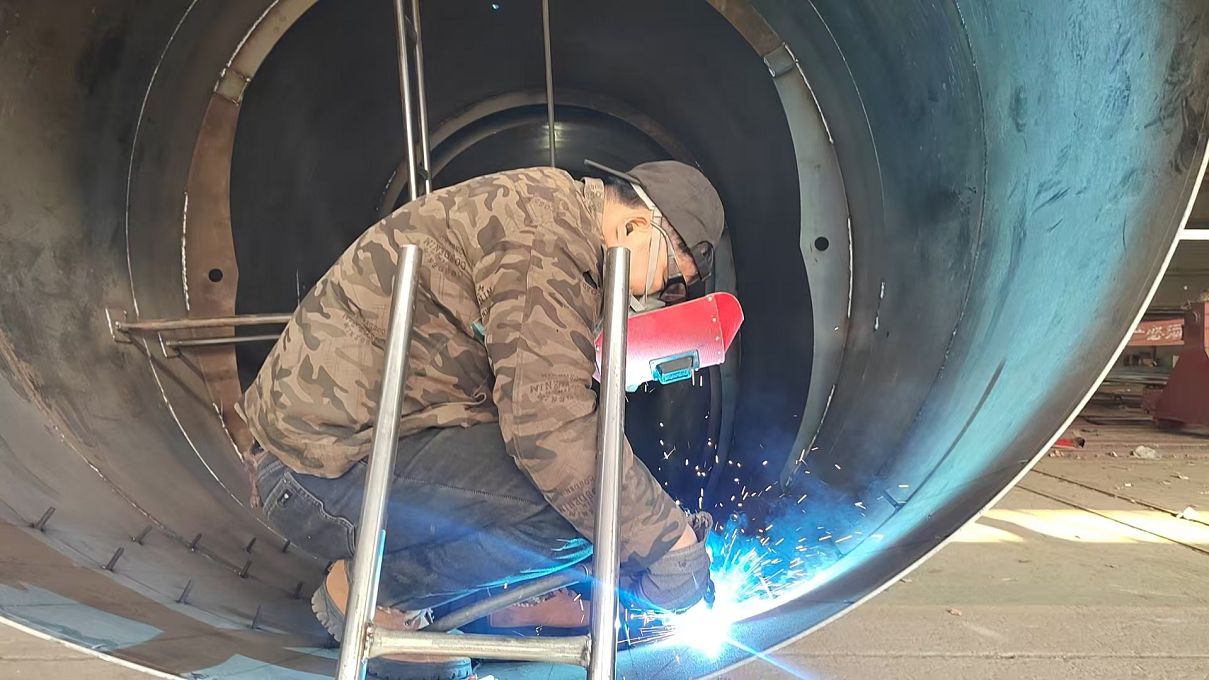
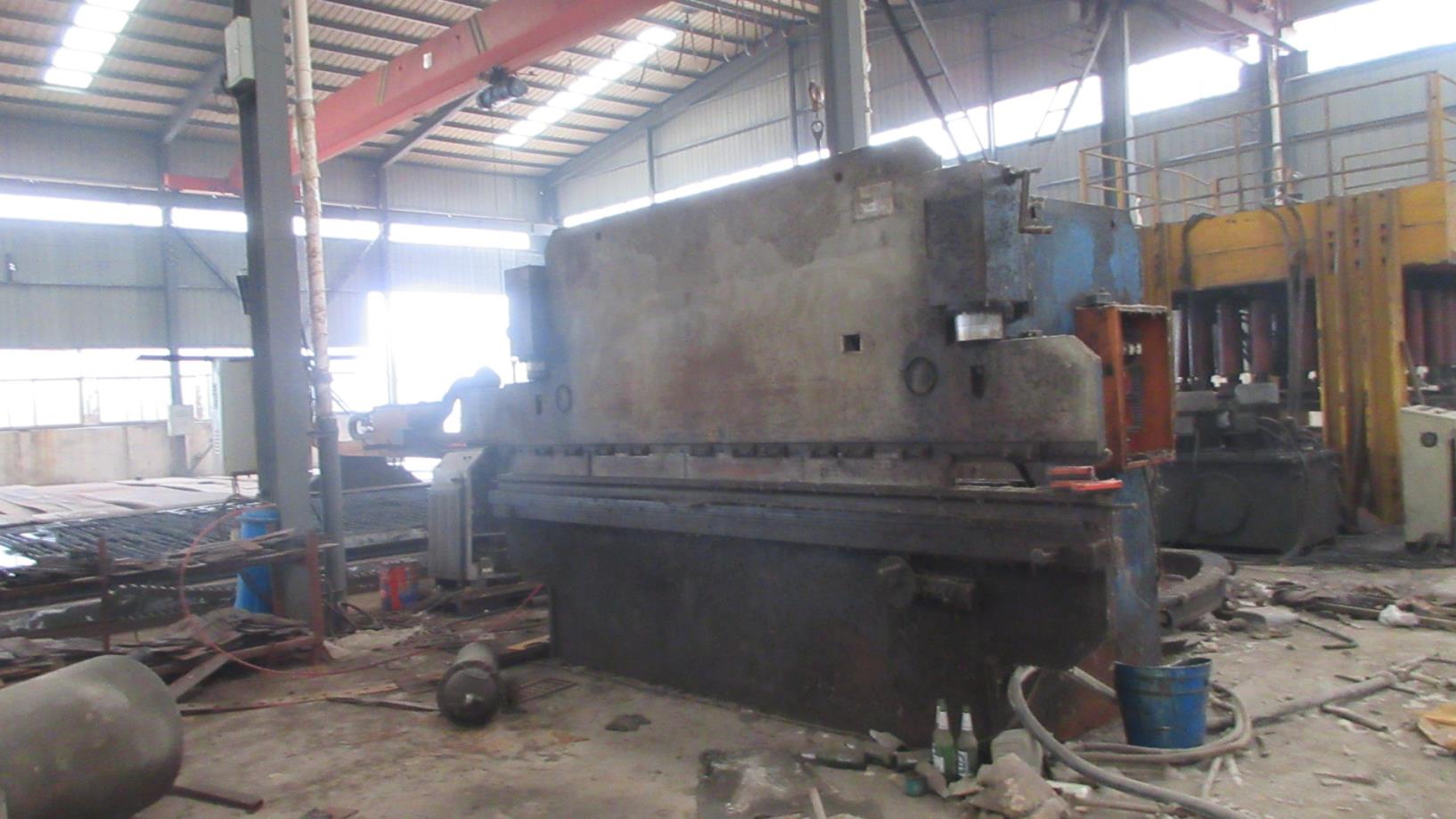
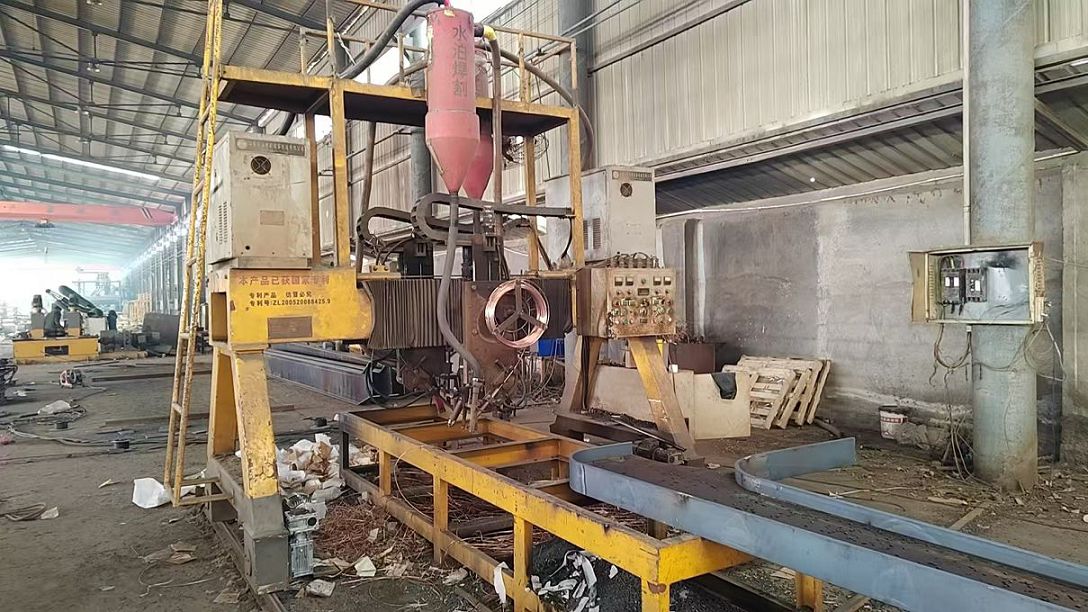
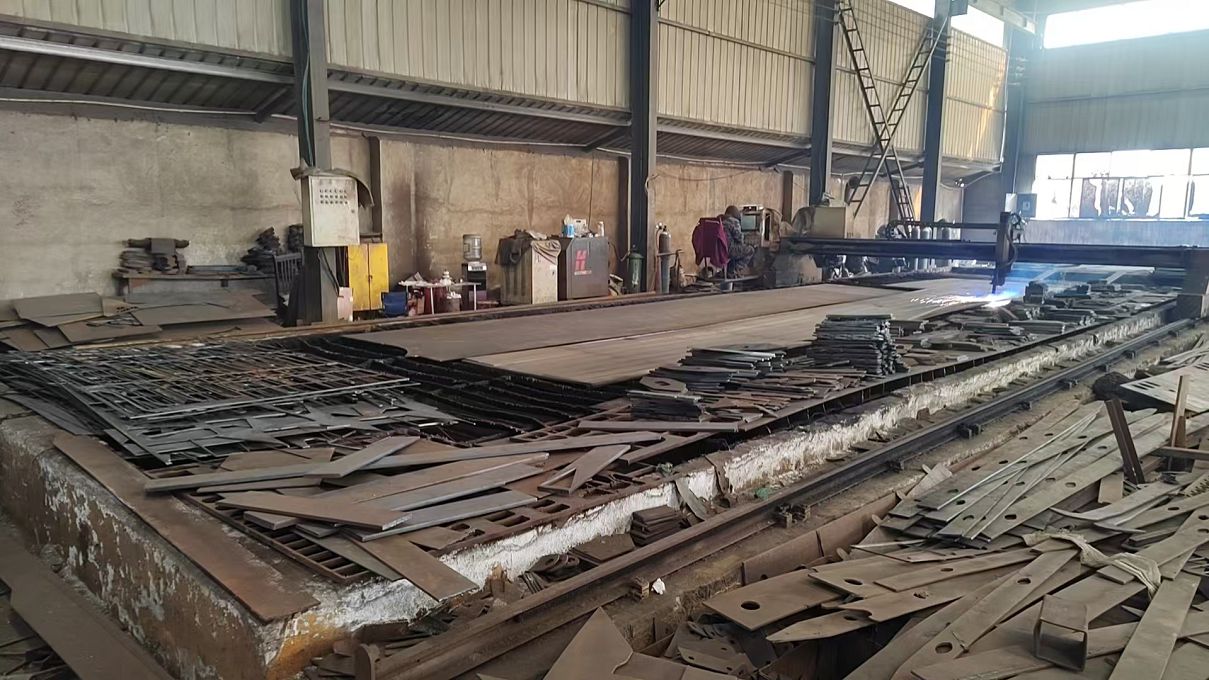
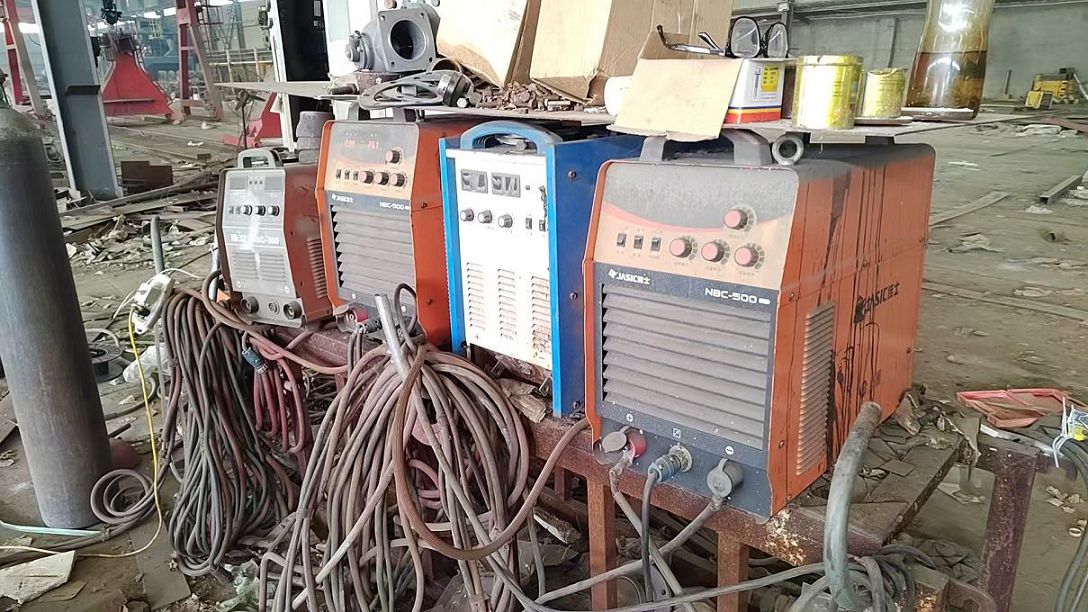
What We Do: Qingdao C-Max Tire Co., Ltd., established in 2023, is a forward-thinking enterprise specializing in the research, development, manufacturing, and global sales of high-performance tires. At C-Max, we are committed to driving innovation in tire technology, continuously developing products that meet the diverse needs of various road conditions, climates, and usage scenarios. By utilizing internationally advanced materials and cutting-edge manufacturing processes, our R&D team ensures that every tire we produce excels in durability, grip, energy efficiency, and environmental performance. This commitment makes C-Max a trusted choice for customers seeking reliable, high-quality tires.
Our Mission: We aim to lead the industry in tire performance and sustainability, offering customers products that not only meet their highest expectations but also contribute to a greener, more efficient future.
R&D Excellence: Our company is proud to have a world-class R&D team, with each engineer bringing over 15 years of specialized tire development experience. This wealth of knowledge and expertise ensures that we not only maintain sustained product excellence but also innovate at an accelerated pace. From conceptualization to final production, our R&D team is constantly working to push the boundaries of tire technology, ensuring our customers always have access to the most advanced products on the market.
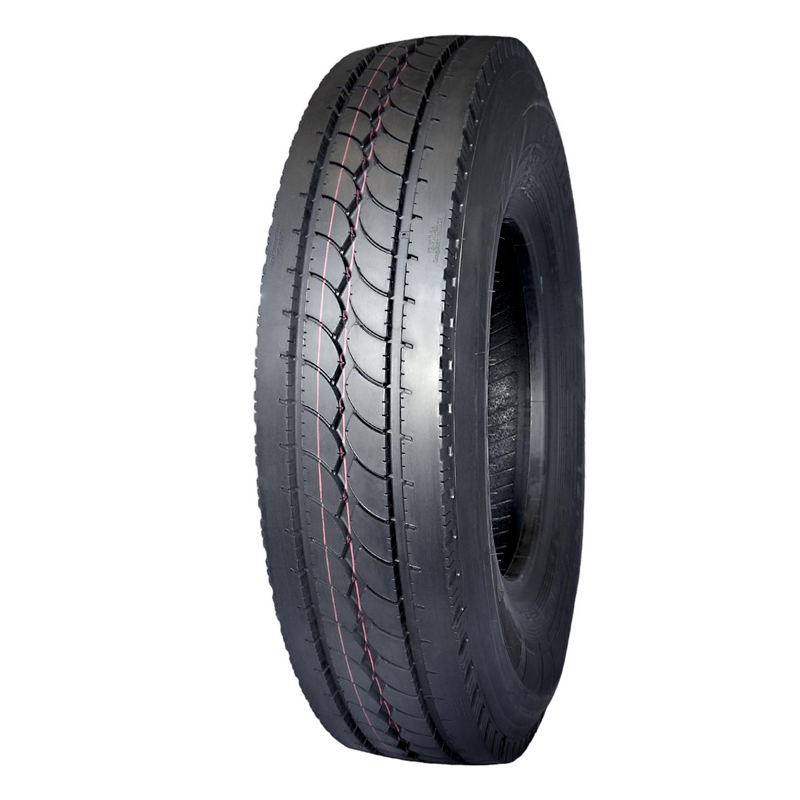
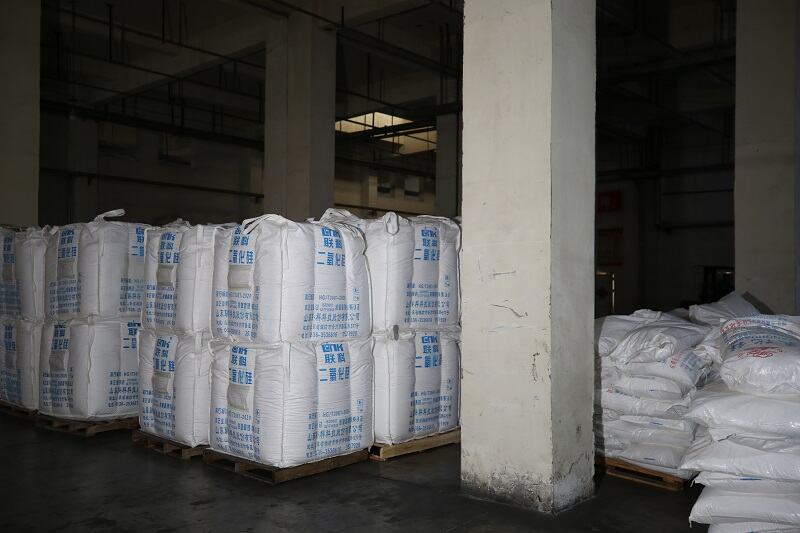
Production Capacity & Global Reach: With an annual production capacity exceeding one million units, Qingdao C-Max Tire Co., Ltd. is equipped to meet the tire demands of customers around the world. We serve over 200 clients across more than 50 countries, with extensive warehousing capabilities ensuring timely delivery to every region. Our commitment to efficiency and quality enables us to fulfill large orders while maintaining consistency in product performance and delivery timelines.
Sustainability & Future Commitment: At C-Max, we believe in the importance of sustainability. That's why we are committed to reducing the environmental impact of tire production. By using eco-friendly materials, optimizing manufacturing processes, and constantly refining our products for energy efficiency, we are helping pave the way for a cleaner and more sustainable future for the automotive industry. Choose Qingdao C-Max Tire Co., Ltd. for your personal, commercial, and specialty vehicle needs.
Vehicle telemetry and pressure monitoring requirements vary significantly depending on localized environment demands, climate parameters, and duty cycles. Developing systems that function reliably across these varying use cases is a core requirement for modern industrial suppliers:
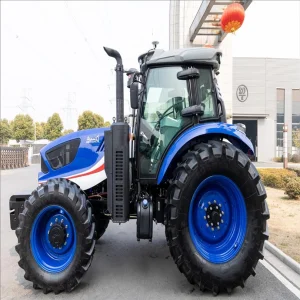
Tractors operating at low tire pressures to prevent soil compaction require high-precision internal sensors. These must remain accurate down to 0.5 bar, shielding the rim during high-load agricultural processing.
Long-haul TBR systems require high-pressure external or internal sensors capable of handling up to 12 bar, working seamlessly with steel cord structures and high-temperature environments.
Mining, construction, and logging sites rely on rugged sensors that resist impacts, dust, mud, and water, backed by robust physical protection for the valve stem.
Detailed technical advice and industry insights for commercial buyers, distributors, and logistics procurement managers.
Internal sensors are mounted inside the tire, secured directly to the wheel rim or the inner liner. This placement protects them from external hazards, dust, chemicals, and physical impacts, making them highly reliable for off-the-road (OTR) machinery and long-haul logistics. External sensors thread directly onto the valve stem, allowing for fast installation and battery replacement without demounting the tire. However, they are more exposed to physical damage and environmental factors.
According to Gay-Lussac's Law, tire pressure increases or decreases by approximately 0.1 bar (1.45 PSI) for every 10°C change in temperature. During heavy braking or under heavy loads, internal temperatures can rise significantly. Modern TPMS systems feature temperature compensation algorithms that prevent false alarms while alerting operators to localized overheating, which often indicates bearing friction or braking issues.
Most industrial-grade internal sensors utilize specialized high-temperature batteries (such as CR2050HR or CR2450HR). These are designed to last between 5 and 7 years depending on transmission intervals, operational mileage, and temperature exposure. Dynamic motion-sensing software helps preserve battery life by putting the sensor into a low-power sleep state when the vehicle is stationary.
Yes, most professional systems support integration. They utilize standard J1939 CAN bus protocols, RS232/RS485 connections, or Bluetooth API access to transmit real-time data directly to existing GPS tracking hardware and fleet management platforms.
For North America, components must comply with FCC Part 15 regulations and align with NHTSA FMVSS 138 safety standards. In the European Union, CE marking, RED (Radio Equipment Directive) certification, and compliance with UN ECE R64 and R141 standards are mandatory for commercial and passenger vehicle implementations.
Under-inflated tires increase the vehicle's rolling resistance, raising fuel consumption by up to 3%. By helping fleets maintain optimal tire pressure, TPMS directly reduces fuel burn and CO2 emissions. It also extends the usable life of the tire casing, reducing premature tire waste and raw material consumption.
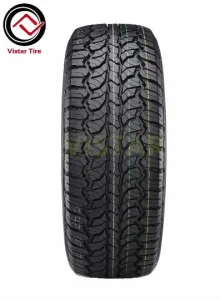
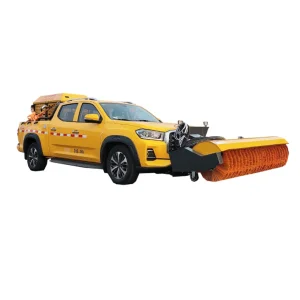
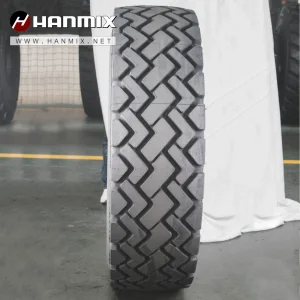
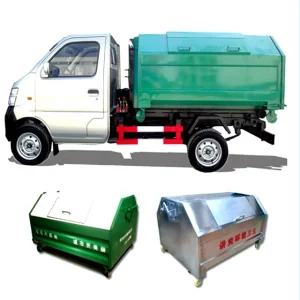
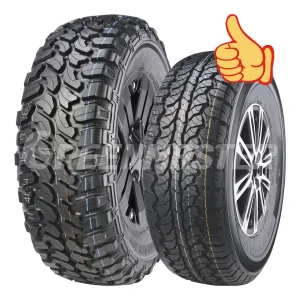
Browse our selection of commercial radial tires, pickup truck models, municipal waste support vehicles, and industrial wheel components.