C-Max Tire
C-Max Tire
C-Max Tire
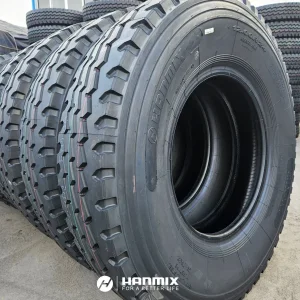
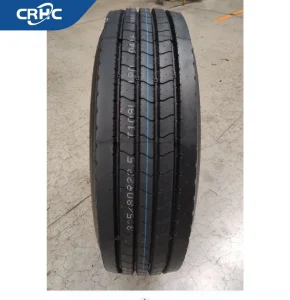
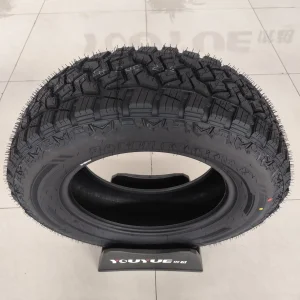
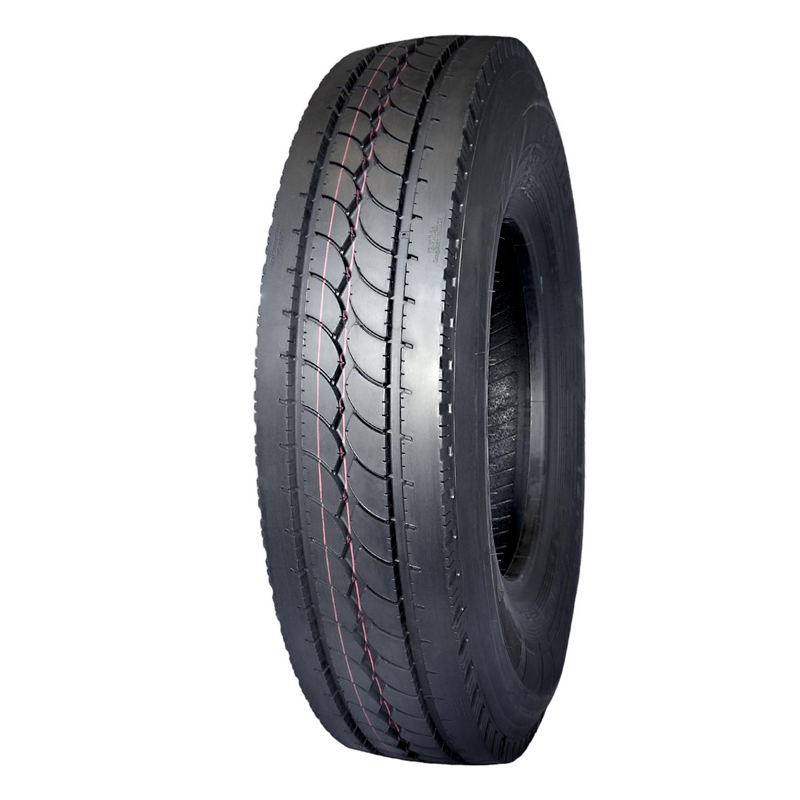
Engineered for maximum endurance, traction, and load-bearing performance under rigorous global conditions.
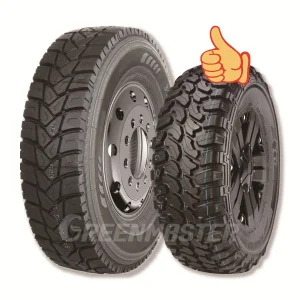
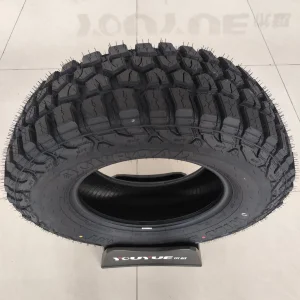
Addressing TCO reduction through advanced radial construction and strategic rotation planning.
In modern industrial transit and commercial logistics, tires are not merely passive contact patches but highly engineered components subjected to asymmetric forces. Longitudinal forces during acceleration and braking, combined with lateral forces during cornering, establish uneven load distributions. On front-wheel-drive (FWD) passenger vehicles, the steering axle bears the brunt of lateral scrub and braking dynamics, leading to rapid wear of the shoulder blocks. Conversely, rear axles on rear-wheel-drive (RWD) platforms and multi-axle configurations (such as Sinotruk and Shacman tractors) experience high torque loads that wear down the center tread blocks. Without a systematic rotation program, these distinct patterns lead to premature tire retirement, increasing the Total Cost of Ownership (TCO) for fleet operators globally.
Industrial Insight: Research indicates that implementing an optimized tire rotation schedule every 8,000 to 10,000 kilometers stabilizes tread wear anomalies, effectively extending tire service life by up to 25% and reducing fuel consumption through minimized rolling resistance variations.
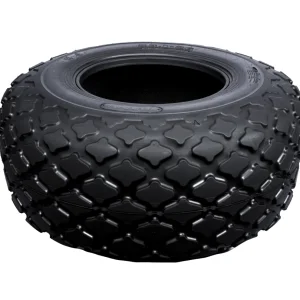
From the freezing logistical pathways of Northern Europe to the intensely hot mining sites of Western Australia, tire performance is directly linked to compounding chemistry. Tire rotation strategies must adjust to these regional challenges. For instance, in heavy-duty off-road operations (OTR), such as graders and bulldozers running on 13.00-24 or 14.00-24 tires, tread degradation is driven by rocky terrains and constant heavy torque. In these environments, rotation is not just about changing positions; it is a critical maintenance step to inspect structural integrity, identify bead damage, and check tread depth. Meanwhile, regional TBR (Truck and Bus Radial) tires operating on multi-axle trailers require cross-axle rotation to prevent "diagonal wear" caused by slight misalignment or axle load variances.
Driving Innovation, Quality, and Sustainability in the Global Tire Industry.
Established in 2023, Qingdao C-Max Tire Co., Ltd. is a forward-thinking enterprise specializing in the research, development, manufacturing, and global sales of high-performance tires. At C-Max, we are committed to driving innovation in tire technology, continuously developing products that meet the diverse needs of various road conditions, climates, and usage scenarios. By utilizing internationally advanced materials and cutting-edge manufacturing processes, our R&D team ensures that every tire we produce excels in durability, grip, energy efficiency, and environmental performance.
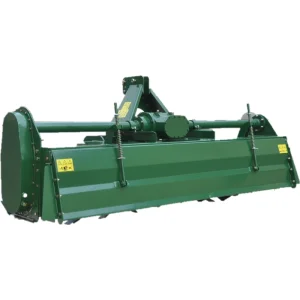
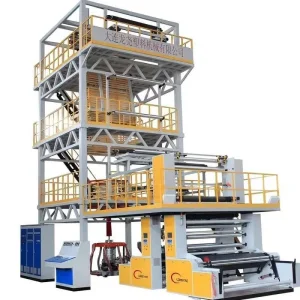
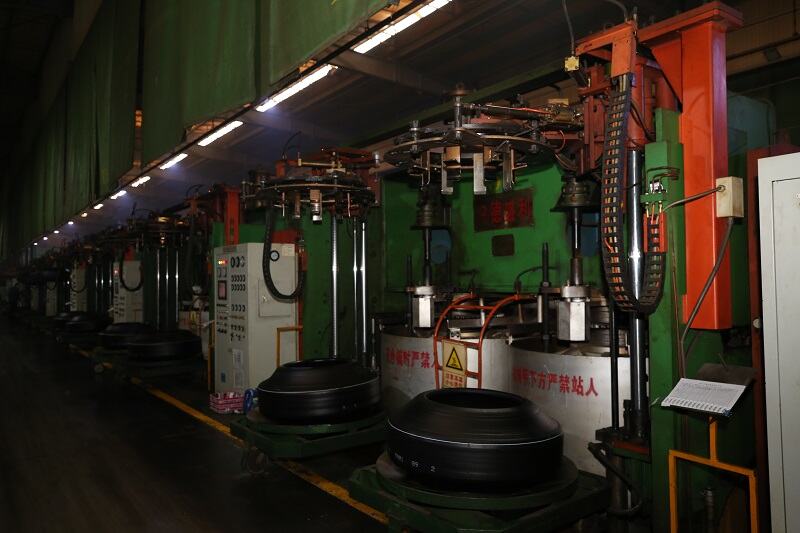
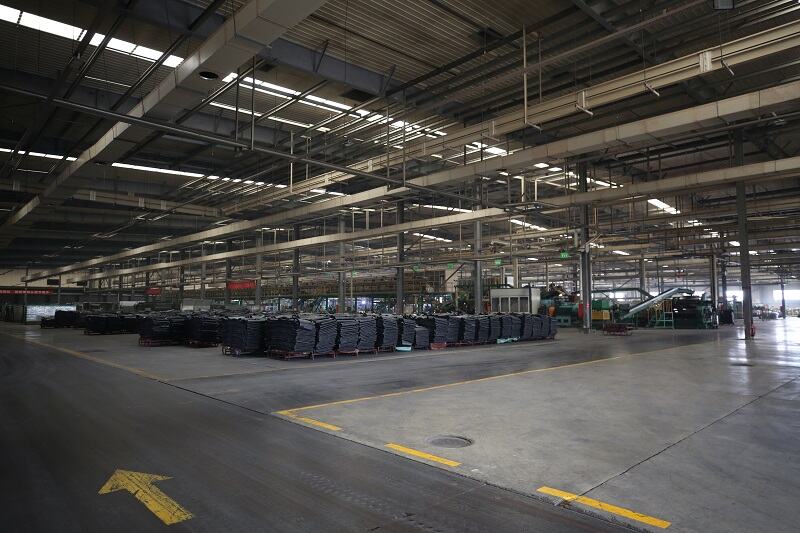
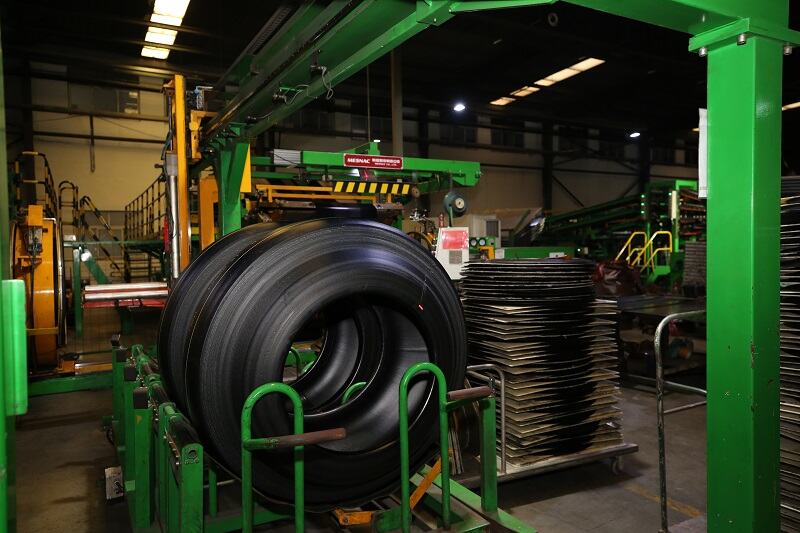
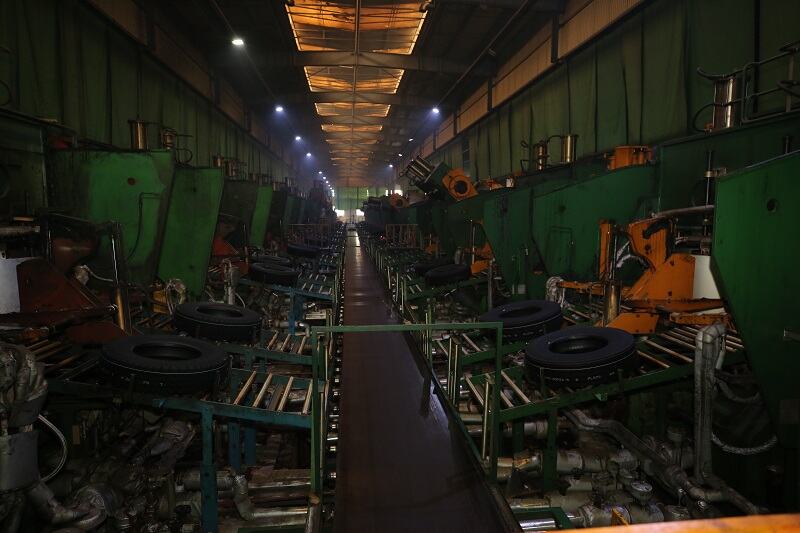
Take a look at the heavy machinery and precision tools that build C-Max's industrial-grade components.
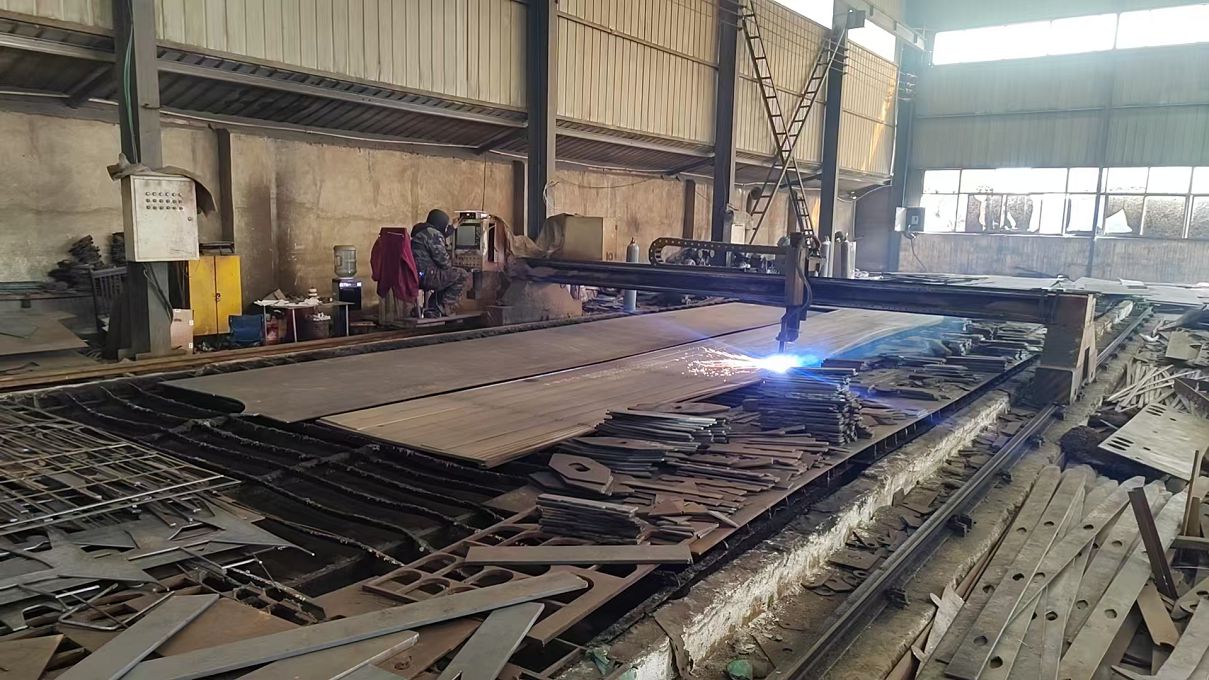
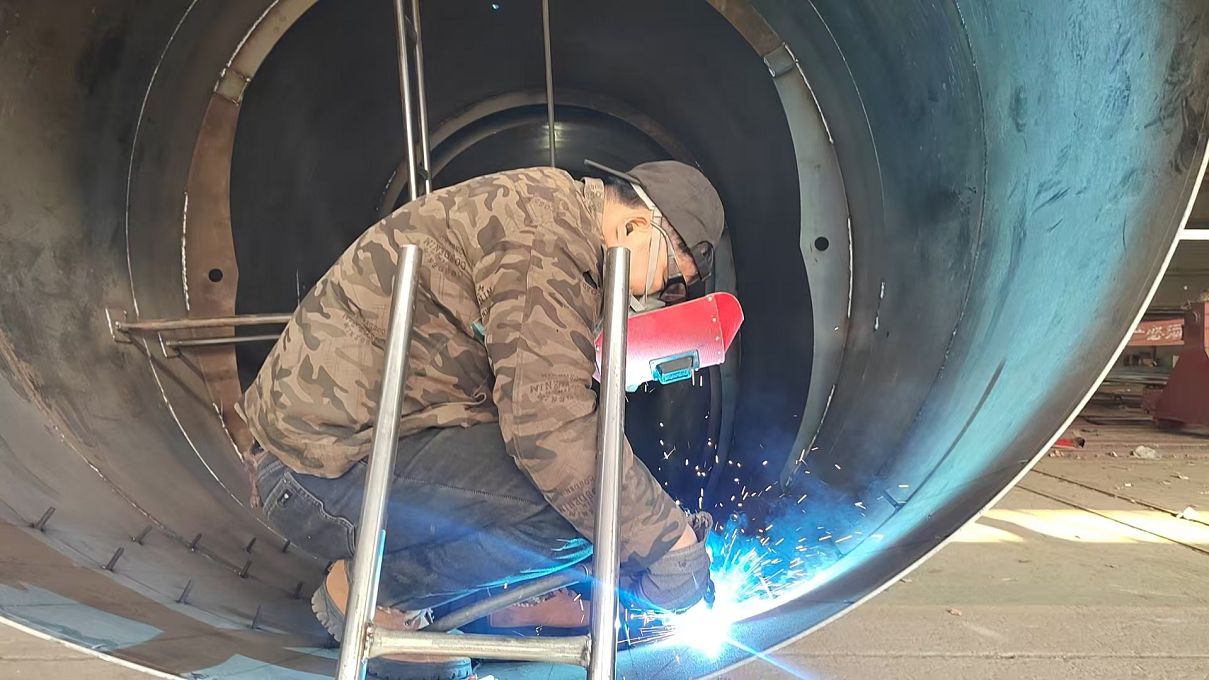
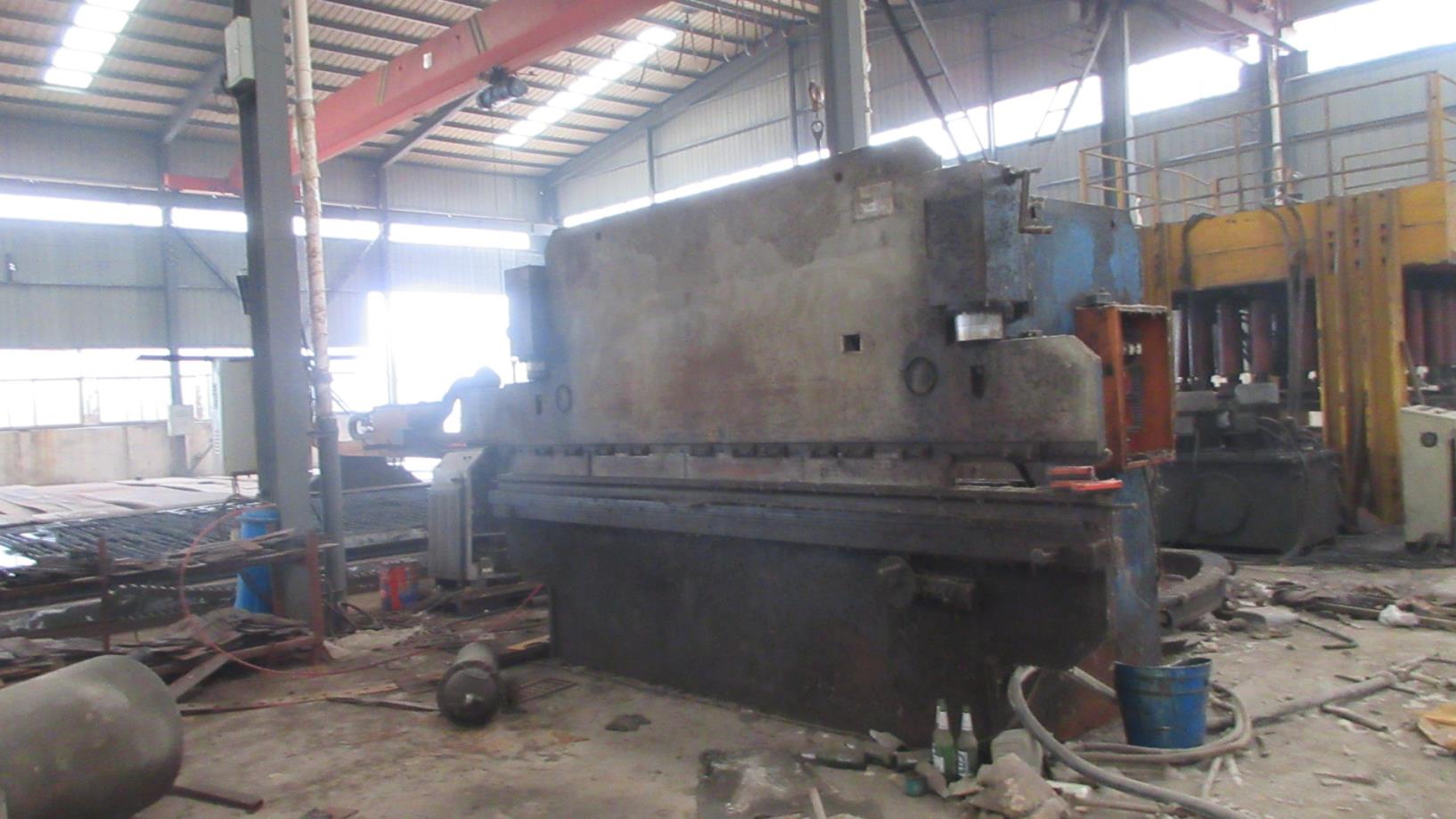
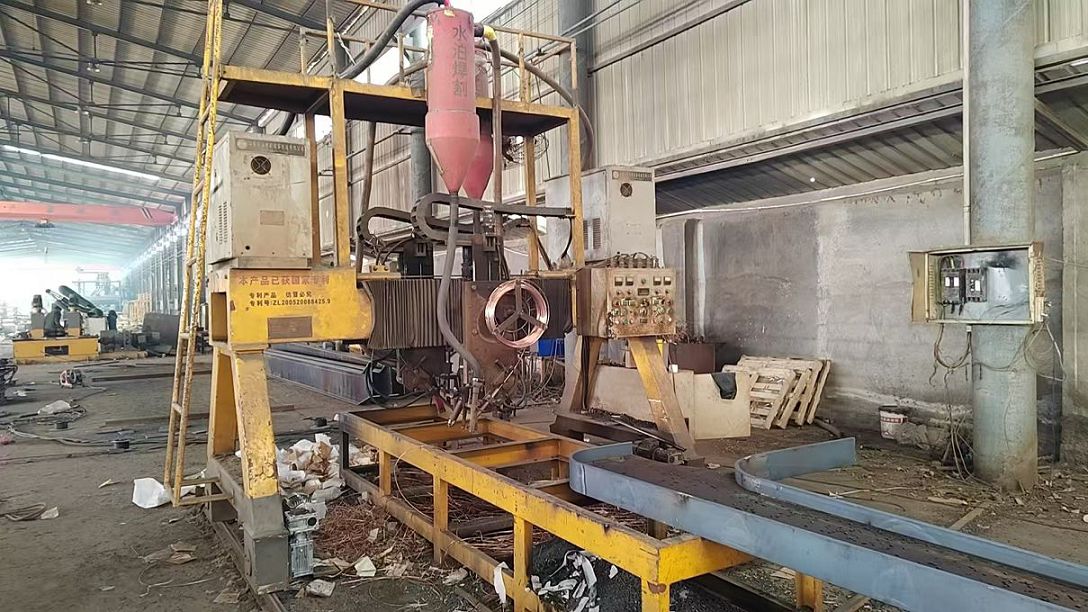
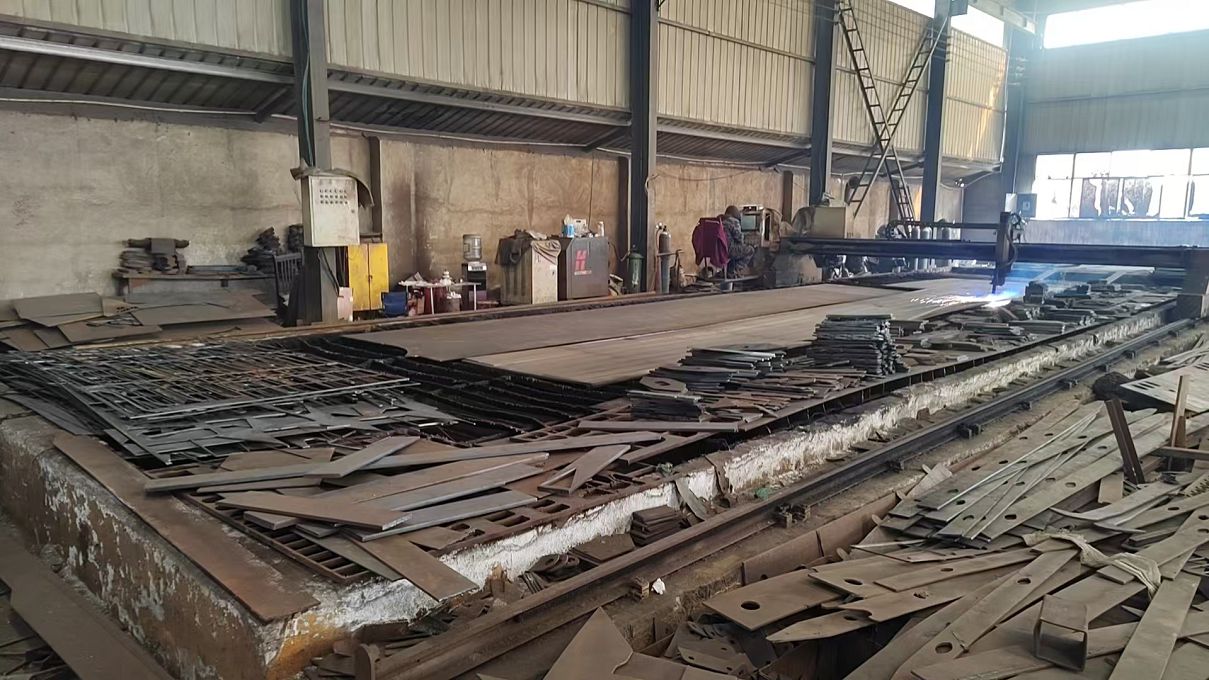
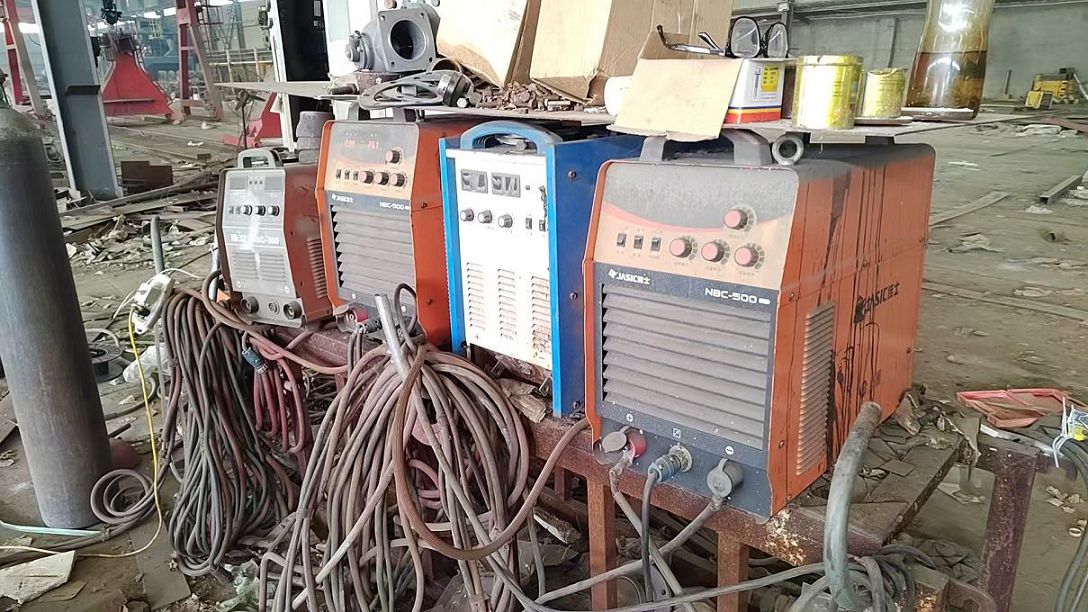
Our commitment to excellence extends beyond traditional tire compounds. C-Max integrates advanced heavy manufacturing machinery, including automated Laser Cutting Machines, Bending Machines, and Portal Beam Welding Machines. This allows us to produce high-durability wheel assemblies, OTR rims, and structural vehicle steel parts under one quality management system. By keeping structural steel preparation and welding in-house, we guarantee that the steel components of our heavy-duty wheels meet the same rigorous durability standards as our rubber compounds. This integrated approach ensures that every wheel assembly stands up to high-stress, high-torque industrial environments.
Paving the way for lower carbon footprints and resource-efficient fleet systems.
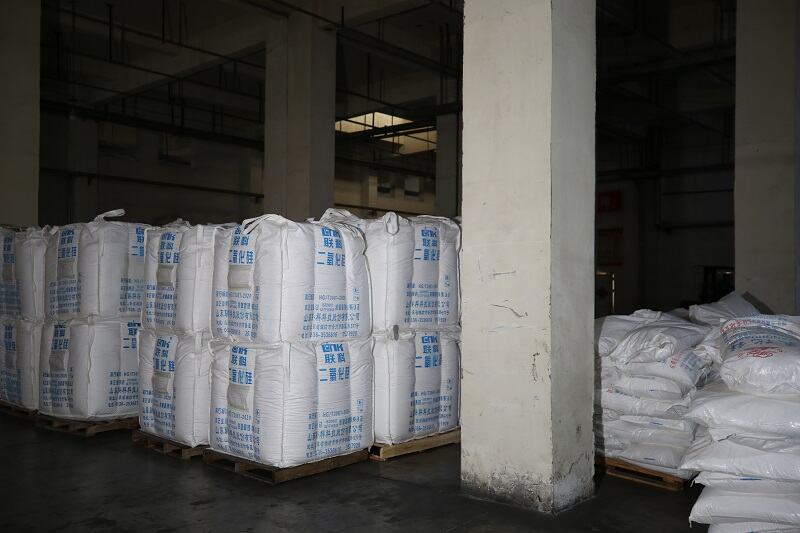
At Qingdao C-Max Tire Co., Ltd., environmental stewardship is core to our operational philosophy. Through research into green chemistry, we have integrated eco-friendly materials—such as highly dispersible silica and bio-derived oils—into our tread compounds. These innovations reduce rolling resistance by up to 12%, directly lowering carbon emissions and fuel costs for logistics operators. Additionally, our manufacturing plant uses recycled water loop systems and clean energy inputs to minimize our environmental footprint. By designing tires that wear more evenly and last longer through optimized rotation patterns, we help fleet managers extend replacement cycles, reducing tire disposal volumes worldwide.
The future of tire rotation and wear tracking is data-driven, predictive, and digital.
The next era of fleet maintenance relies on predictive intelligence. The C-Max engineering roadmap focuses on integrating embedded RFID transponders and Bluetooth-enabled temperature and pressure sensors directly into the tire casing. This allows for real-time monitoring of tread fatigue, structural anomalies, and localized heat build-up. These telemetry data streams feed into proprietary predictive wear models, giving fleet operators automated alerts when a tire reaches its optimal rotation window. Moving from fixed-interval rotation schedules to dynamic, wear-based rotation plans helps prevent irregular wear before it starts, ensuring maximum tire life.
Integration of robust RFID chips within heavy commercial TBR casings to track global wear histories.
Utilizing AI algorithms to analyze regional road conditions and predict the ideal time to rotate tires.
Developing multi-stage, eco-compounds that adjust performance characteristics as the tire wears down.
Technical guidance from our senior engineering team to help you optimize tire life and performance.
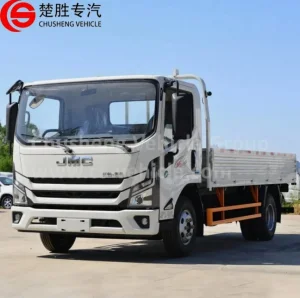
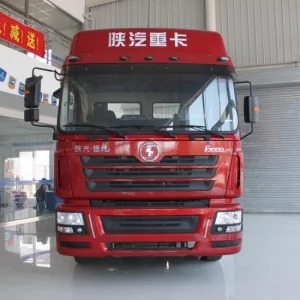
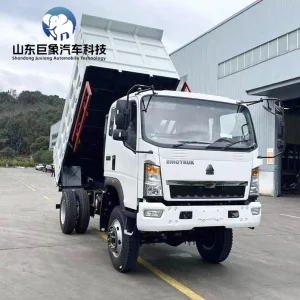
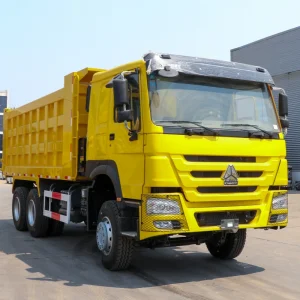
Industrial machinery and heavy trucks engineered to support your operations and supply chain.